 (new window)
 (new window)
 (new window)
 (new window)
 (new window)
 (new window)
 (new window)
 (new window)
 (new window)
 (new window)
 (new window)
 (new window)
 (new window)
 (new window)
Cheongju Yongdusaji Iron Flagpole
Korean name청주 용두사지 철당간
Machine-translated from Korean. Show original
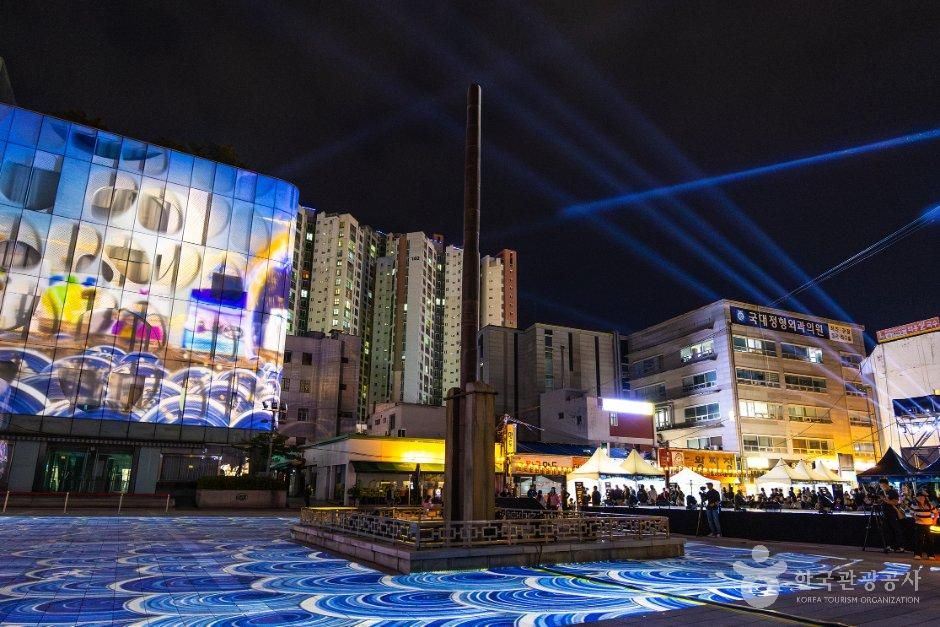
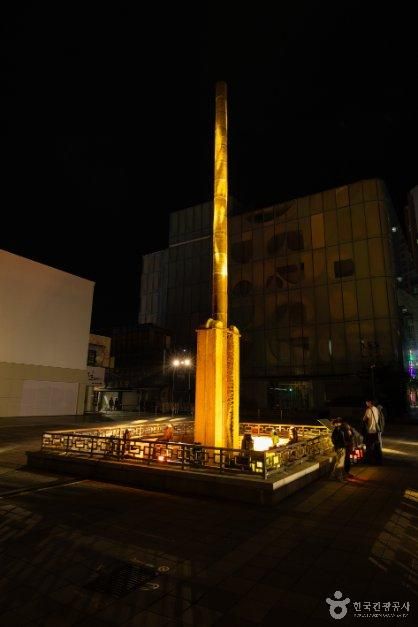
When a temple holds an event, a flag called a dang is hung at its entrance. The pole on which this flag is hung is called a danggan, and the two pillars supporting it from both sides are called dangganjiju. Nammun-ro in Sangdang-gu, Cheongju, where the danggan stands, was once the site of a temple called Yongdusa. Yongdusa was founded in 962 (the 13th year of King Gwangjong of Goryeo), but it was reduced to ruins due to frequent wars and rebellions in the late Goryeo period, and the temple site has now become the busiest street in downtown Cheongju.
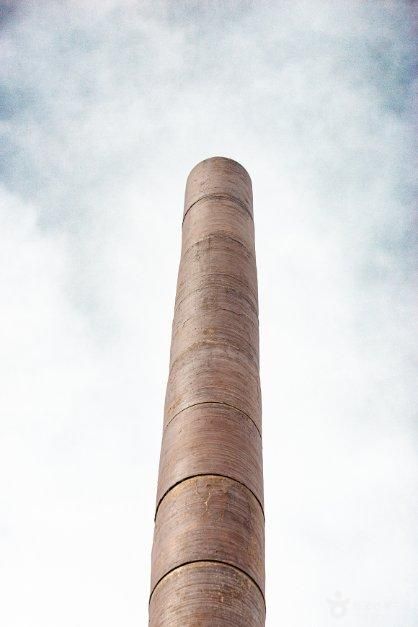
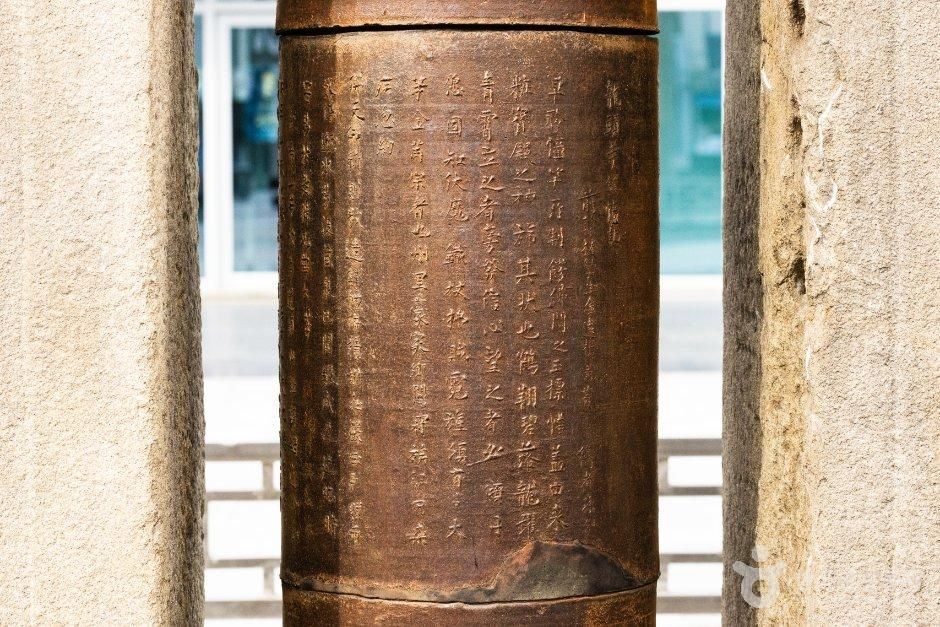
This danggan retains its original appearance, with the base stone and the two pillars supporting it fully preserved. On the outer face of the two pillars, a vertical raised line is carved at the center, adding variation to the otherwise plain surface. Between them, 20 cylindrical iron cylinders are stacked so that their upper and lower parts interlock to form the danggan, and at the very top of the stone pillars a fastening device like a latch holds the danggan firmly in place. In particular, the surface of the third iron cylinder records the motivation and process for erecting the iron danggan, and it is said that it originally consisted of 30 iron cylinders.
The time when the danggan was erected coincides with the founding of the temple in 962 (the 13th year of King Gwangjong of Goryeo), and since its date can be clearly identified, it holds precious value. Moreover, considering the reality of our cultural heritage, where surviving danggan are rare, iron danggan can be found in only three places—here, Gapsa Temple in Gongju, and Chiljangsa Temple in Anseong—making it a rare work.
Since ancient times, Cheongju suffered much damage to its people from flood disasters, and a certain fortune-teller said that if a large mast were erected, this area would take the shape of a boat and could avoid disasters. Eventually, a danggan serving as a mast was erected here, and disasters were avoided. From this time, an anecdote has been handed down that Cheongju was named Juseong (Boat City).
Details
- Admission fee
- Free
Visitor reviews 0
Sangdang-gu, Cheongju travel resources
All guides →- Guides