 (new window)
 (new window)
 (new window)
 (new window)
Huam-dong 108 Steps
Korean name후암동108계단
Machine-translated from Korean. Show original
- Inquiries
- Seoul Tourist Information Center 02-3785-0942
- Opening hours
- Open at all times
- Closed
- Open year-round
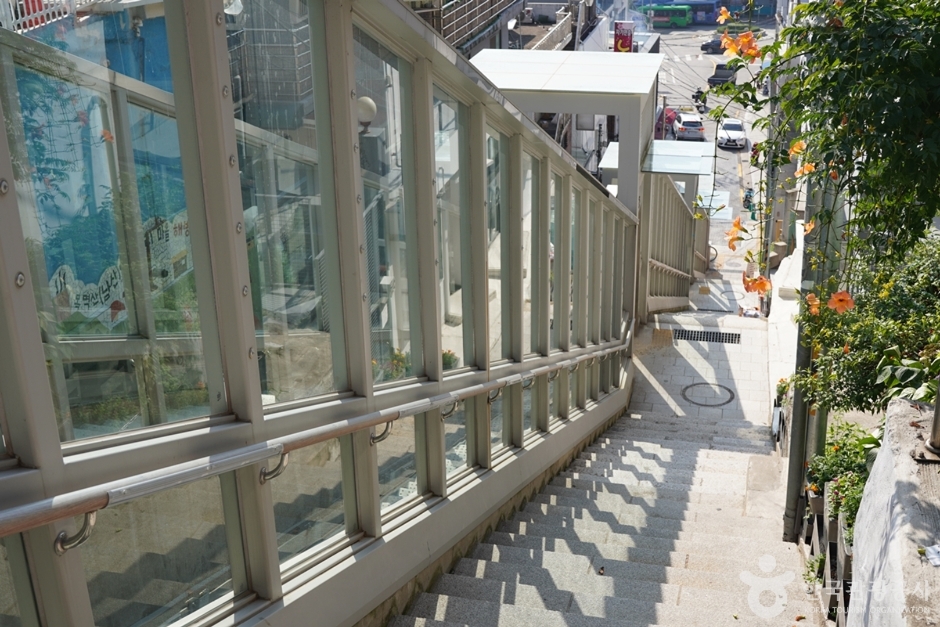
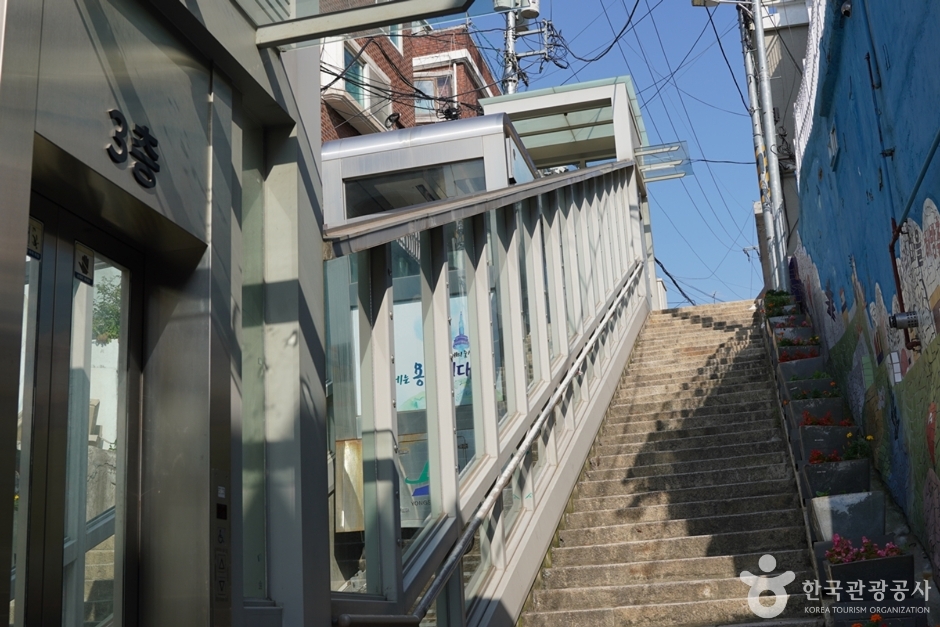
The stairs of Gyeongseong Patriotic Shrine were built to be used as an entrance to Gyeongseong Patriotic Shrine, which was built at the end of Japanese colonial rule. In other words, it is also called the 108 stairs. As the number of casualties increased due to wars of aggression such as the Sino-Japanese War and the Great Pyongyang War, Japan built patriotic shrines in major areas of Japan and the Korean Peninsula as branches of Yasukuni Shrine. Gyeongseong Patriotic Shrine is one of them and was built under the pretext of commemorating soldiers who died in battle as heroes of the nation. The Gyeongseong Patriotic Shrine was designed to commemorate not only Japanese soldiers but also Koreans who died in Japan's war of aggression, including the volunteer system (1938), the student volunteer system (1943), and the conscription system (1944). Construction began in October 1940 and was completed in November 1943, and Korean property and labor were mobilized. At the Gyeongseong Patriotic Shrine, events to commemorate the fallen and prayers for victory in the war were held, and many Koreans mobilized for these events. After liberation, compatriots who returned from overseas or defected to South Korea quickly settled in this area, forming Haebangchon. Due to the active activities of the settlers, Haebangchon, which had been mainly made up of temporary buildings, was systematically equipped with residential facilities and water and sewerage facilities, taking on the appearance it has today. In this process, Gyeongseong Patriotic Shrine was dismantled, and now only the stairs remain. In 2018, the first incline elevator in a residential area was installed to improve walking convenience for transportation-disabled people who have difficulty climbing the 108 stairs, and anyone can use it for free. The pretty tile murals on both walls of the stairs, photo spots painted here and there, and unique shops between the alleys have transformed the 108 Stairs of Huam-dong, with its painful history, into a street of art.
Details
- Admission fee
- Free
Visitor reviews 0
Yongsan-gu travel resources
All guides →- e-book
- Map