 (new window)
 (new window)
 (new window)
 (new window)
 (new window)
 (new window)
 (new window)
 (new window)
 (new window)
 (new window)
 (new window)
 (new window)
Manghaeam Hermitage
Korean name망해암
Machine-translated from Korean. Show original
- Inquiries
- 031-443-5559
- Opening hours
- 09:00~18:00
- Closed
- Open year-round
- Parking
- Available
- Stroller rental
- Unavailable
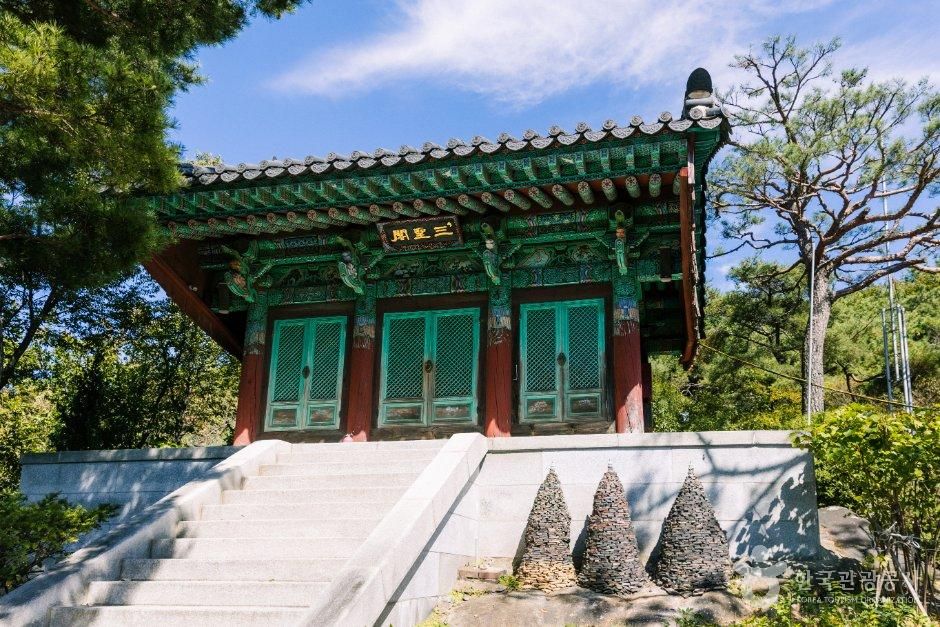
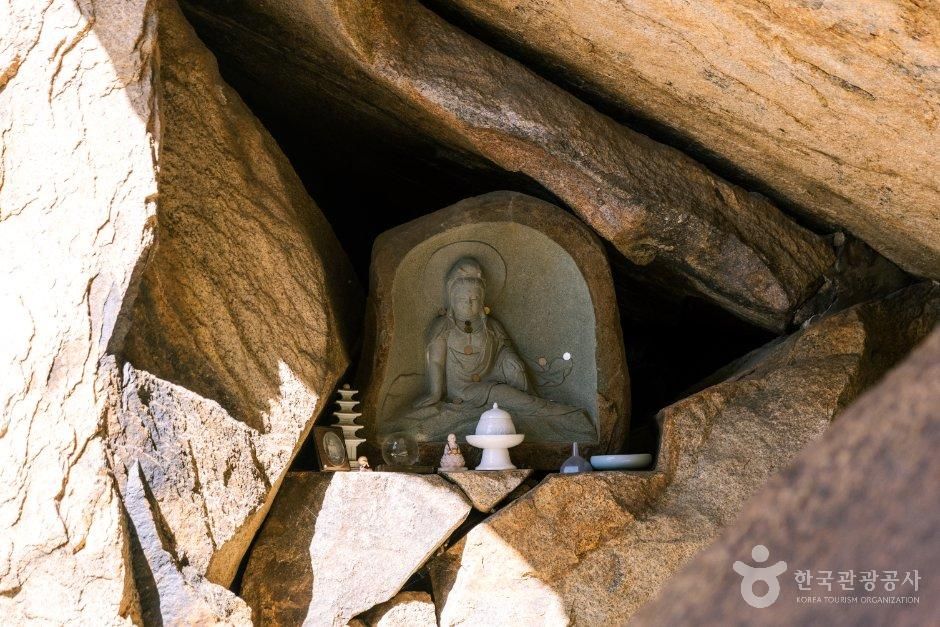
According to the record in the Bongeun Bonmal Saji compiled in the 1940s, Manghaeam was first founded by the Silla monk Wonhyo. Records about Manghaeam appear from the early Joseon period onward. The inscription '成化十五年 四月 日造成' (Made on a day in the fourth month of the fifteenth year of Seonghwa) is engraved on the canopy of the standing stone Buddha of Yonghwajeon, showing that this canopy was made in 1479 (the 10th year of King Seongjong). The Yeojidoseo published during King Yeongjo's reign, the Garamgo written by Sin Gyeongjun in the 18th century, and the 1843 (the 9th year of King Heonjong) record of the Seungjeongwon Ilgi also contain references such as 'Manghaeam of Gwanaksan Mountain.'
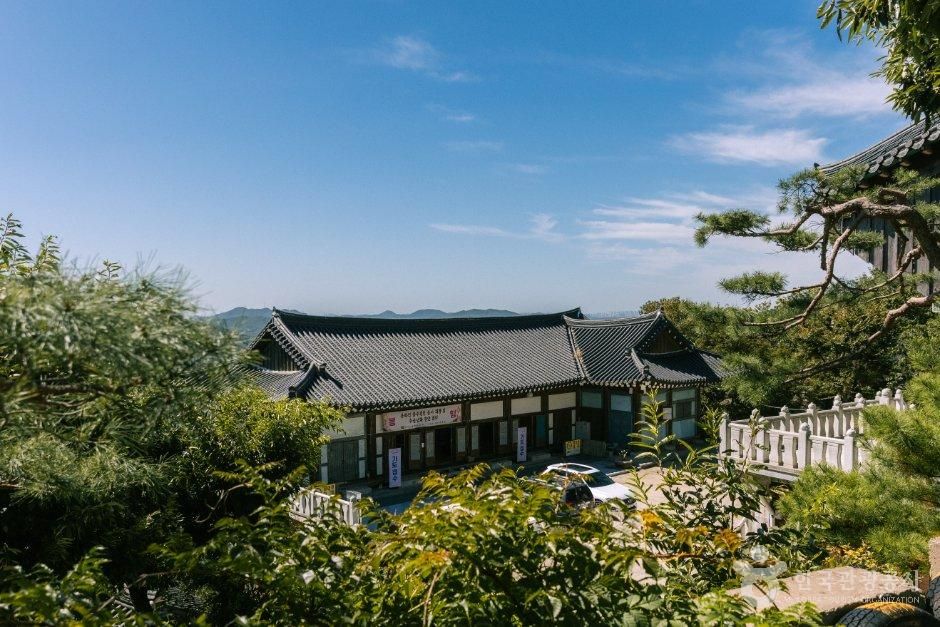
Manghaeam was rebuilt in 1803 (the 3rd year of King Sunjo) and 1863 (the 14th year of King Cheoljong), but it all burned down in a fire in 1922 and was rebuilt again. The current Manghaeam was rebuilt after being burned down during the Korean War, with the Cheonbuljeon and Jijangjeon halls added.
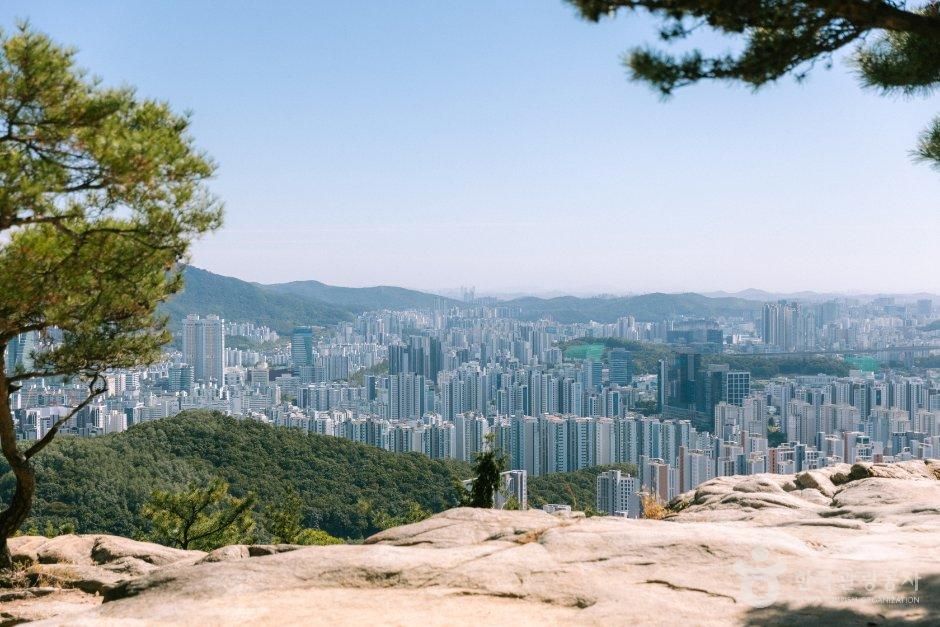
Manghaeam means 'a hermitage where you can see the sea', and from here you can enjoy the beautiful sunset over the West Sea. You can escape the harsh daily life of the city and have a quiet time of your own.
Details
- Admission fee
- Free
- Restroom
- Yes
Visitor reviews 0
Videos of this place
Manan-gu, Anyang travel resources
All guides →- e-book