 (new window)
 (new window)
 (new window)
 (new window)
 (new window)
 (new window)
 (new window)
 (new window)
 (new window)
 (new window)
 (new window)
 (new window)
 (new window)
 (new window)
 (new window)
 (new window)
Old Russian Legation, Seoul
Korean name서울 구 러시아공사관
Machine-translated from Korean. Show original
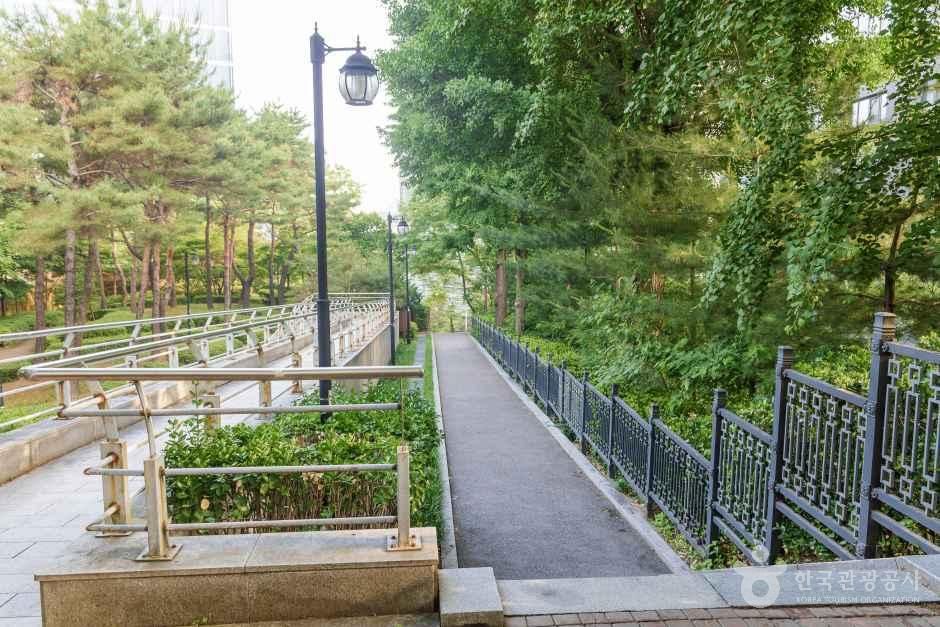
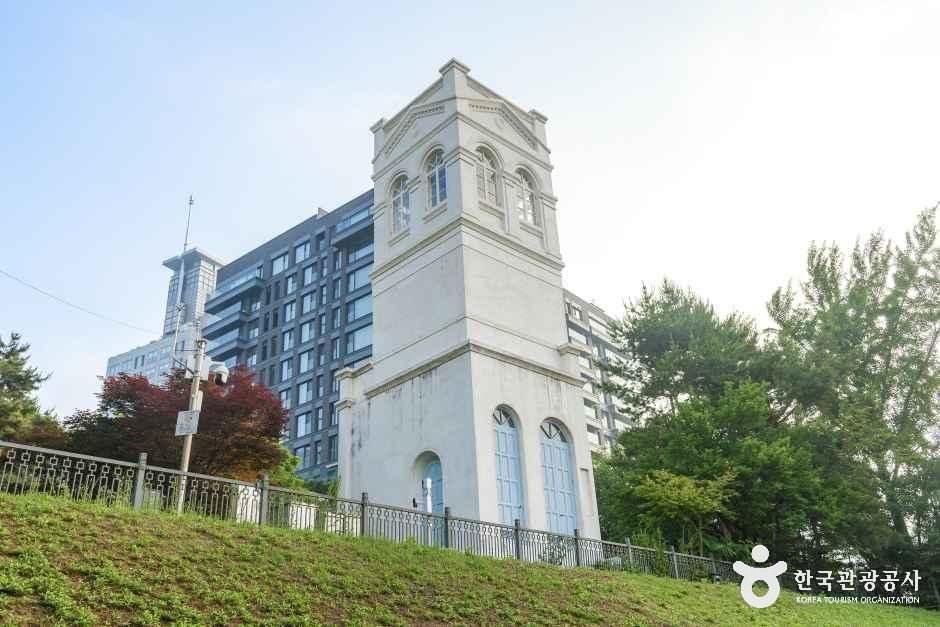
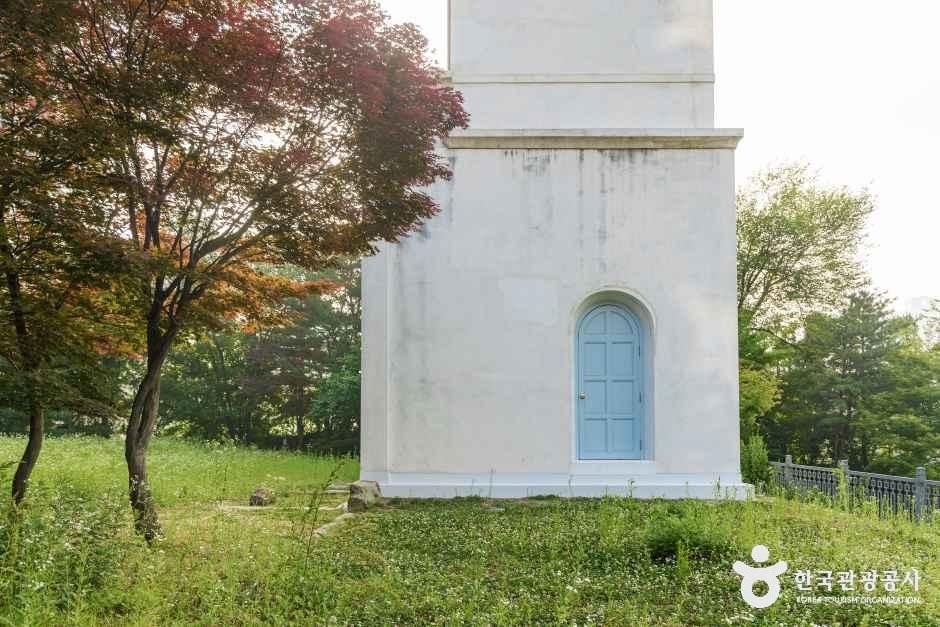
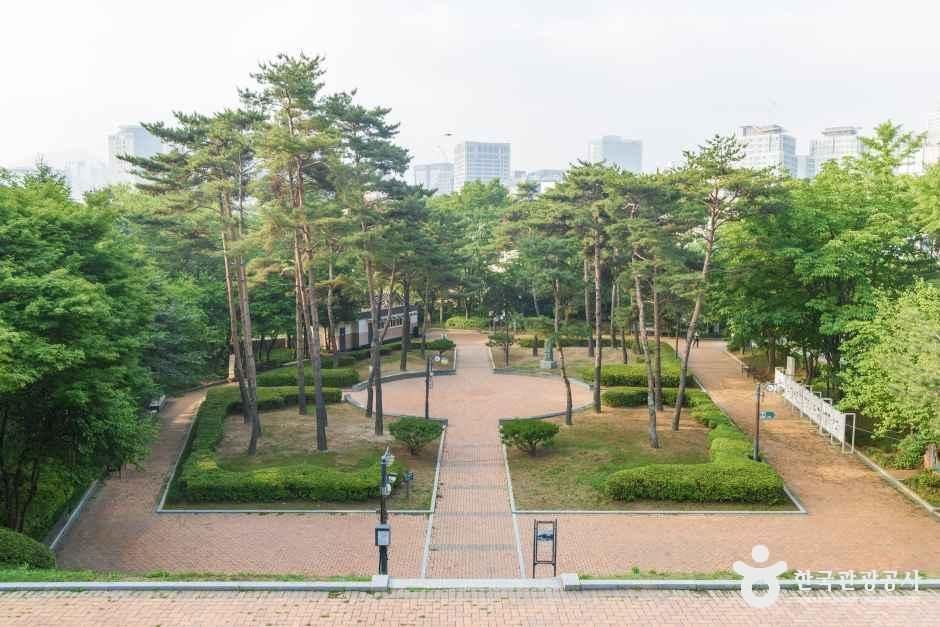
The former Russian Legation in Seoul, built shortly after the signing of the Treaty of Amity and Commerce between Korea and Japan in 1885, was completed in 1890. The area where the legation was built was one of three horse pastures established by King Yeonsan to provide easy access for him to leave the city walls. There is a story that King Gojong placed the Russian Legation near Deoksugung Palace, alongside the consulates of the United States and Great Britain, in order to counter Japan's influence. The Russian Legation was known as the "A-gwan" (Russian Building), a name familiar to Koreans due to the "A-gwan Incident" involving King Gojong. After Queen Min was assassinated by Japanese soldiers during the Gapsin Coup, and King Gojong was placed under house arrest in Gyeongbokgung Palace by the pro-Japanese cabinet, he was "rescued" by pro-Russian figures like Park Jeongyang and the Russian Minister, Bevére, and moved to the A-gwan along with his son on February 1, 1896. This event, which ultimately led to the downfall of the pro-Japanese Kim Hong-jip cabinet and the establishment of a pro-Russian Park Jeongyang cabinet, and subsequently to King Gojong's return to Gyeongun Palace on February 20 of the following year, is known as the A-gwan Incident.
Details
- Admission fee
- Free
Visitor reviews 0
Jung-gu travel resources
All guides →- e-book
- Map