 (new window)
 (new window)
 (new window)
 (new window)
 (new window)
 (new window)
 (new window)
 (new window)
 (new window)
 (new window)
 (new window)
 (new window)
 (new window)
 (new window)
Hunmongjae Historic Site
Korean name훈몽재 유지
Machine-translated from Korean. Show original
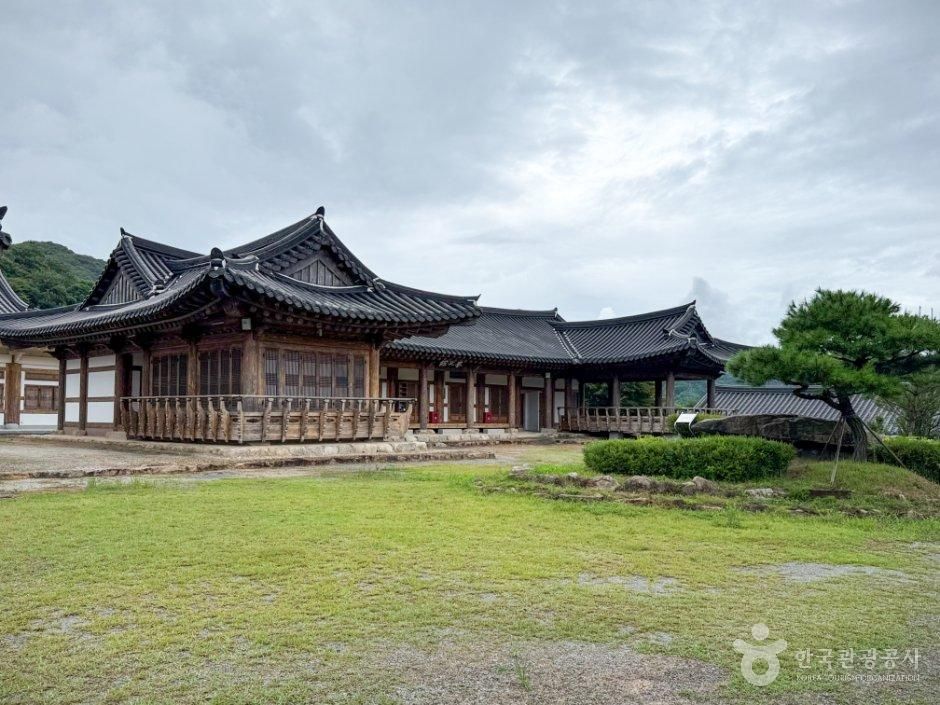
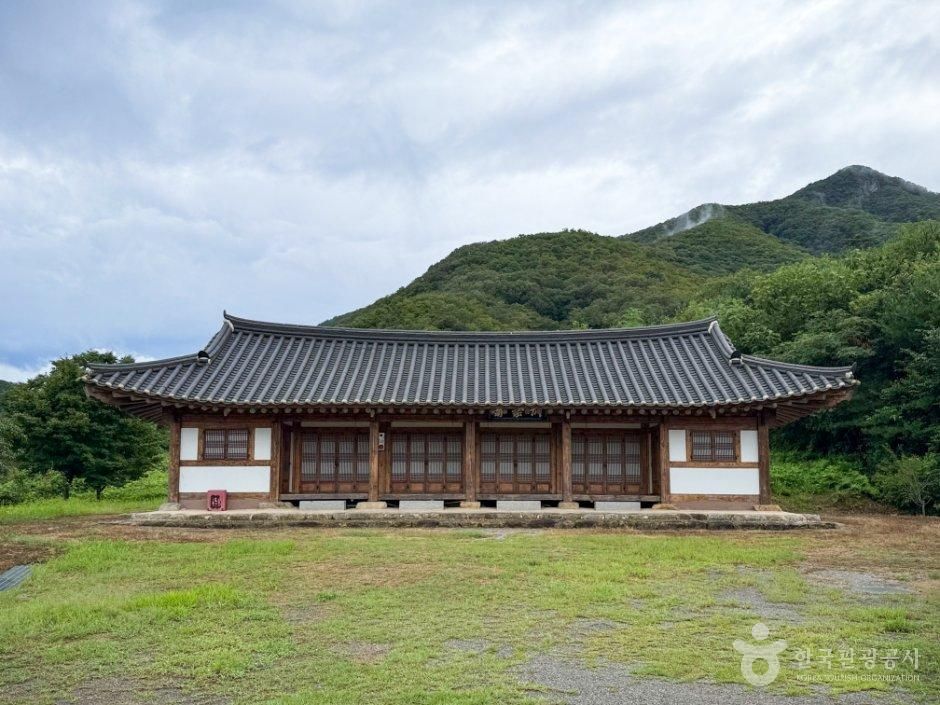
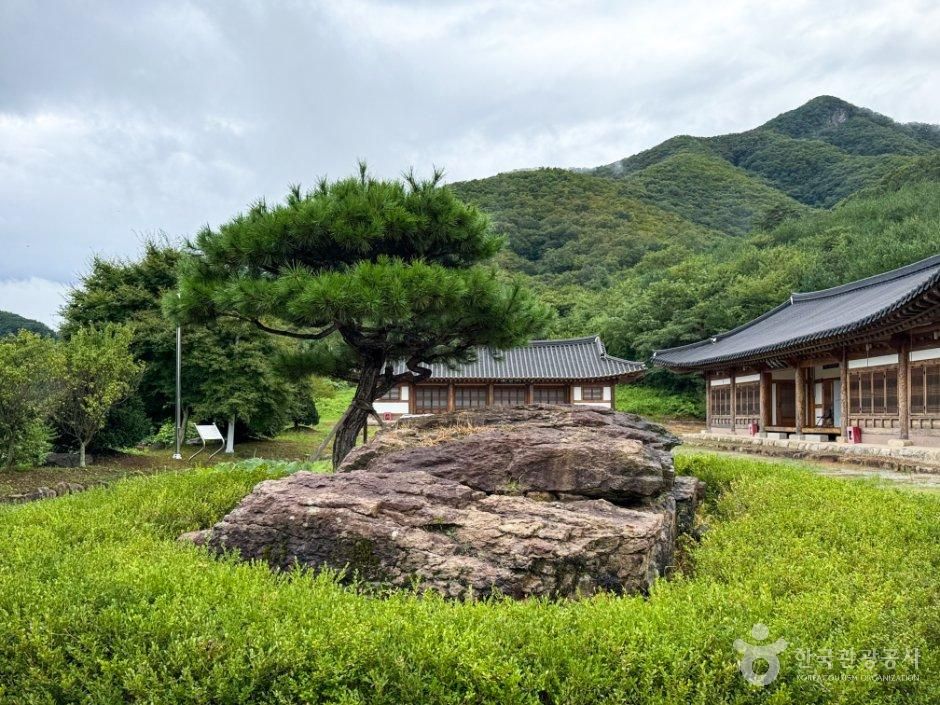
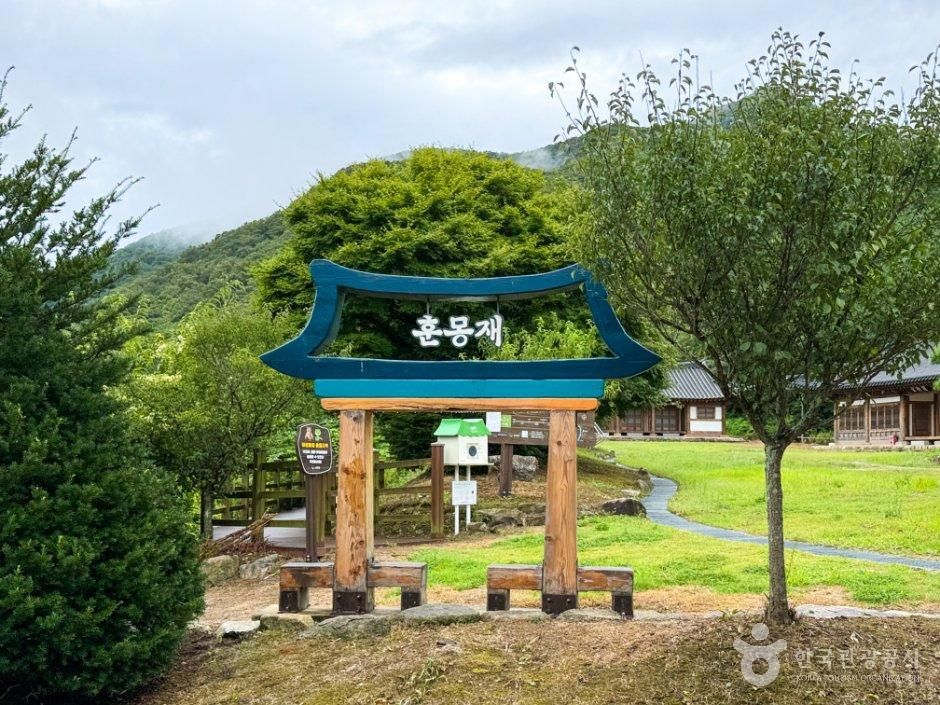
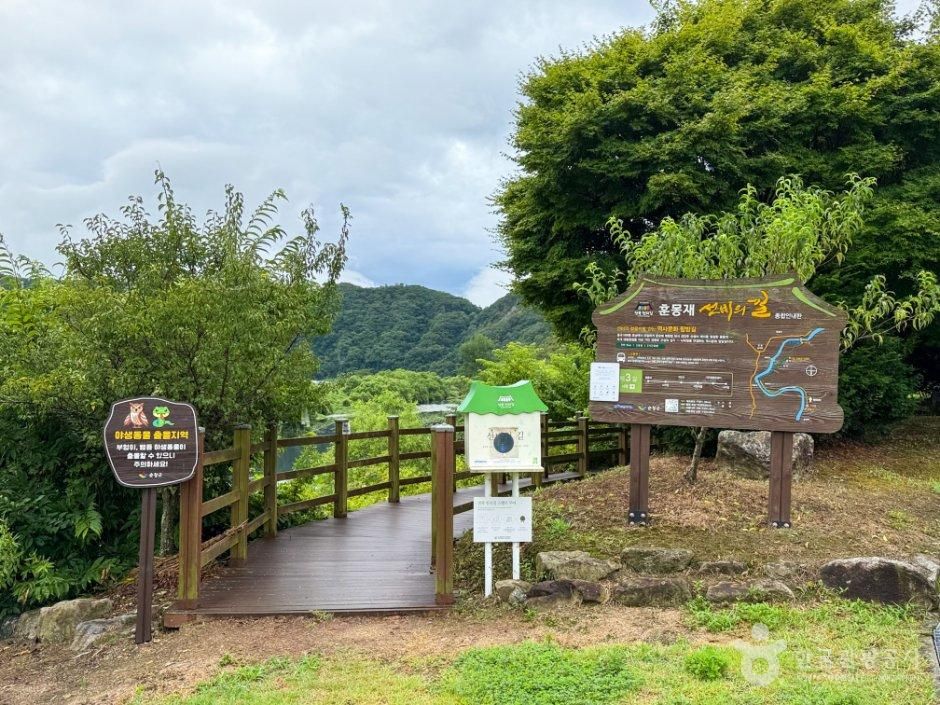
Hunmongjae is a place where Kim In-hu moved to Jeomamchon in Sunchang, his wife's hometown, in the 3rd year of King Myeongjong's reign (1548) in the Joseon Dynasty, established a chodang (chodang), and studied under the title of Hunmong. Kim In-hu stayed at Hunmongjae for about two years, from 1548 to 1549, when he returned to Jangseong due to the death of his father. Later, around 1680, Kim In-hu's 5th-generation grandson, Kim Si-seo, built a natural temple nearby, lived there, and rebuilt Hunmongjae to train younger students, but it fell into decline again. Around 1820, Kim In-hu's descendants rebuilt Hunmongjae in Jeomam Village and established Eoam Seowon to enshrine the memorial tablets of Kim In-hu, Kim Si-seo, Jeong Cheol, and Lee I, but it was demolished by Daewongun's order to abolish the Seowon. Hunmongjae was rebuilt during the Japanese colonial period, but was destroyed by fire during the Korean War in 1951. As a result of an excavation conducted by the Jeonju University Museum in 2005, a building site presumed to be Hunmongjae was identified 10 to 20 cm below the topsoil layer, and the soil covering work is currently underway. Hunmongjae and its annexed buildings, Jayeondang, Yangjeonggwan, and Simyeonjeong, are located adjacent to the designated site, and on the east side of Churyeong Stream. There is a rock engraved with Daehaeam (大學巖), and there is a legend that Songgang Jeong Cheol learned university from Kim In-hu here.