 (new window)
 (new window)
 (new window)
 (new window)
Ogyeseowon
Korean name오계서원
Machine-translated from Korean. Show original
- Inquiries
- Yeongju City Culture and Arts Department 054-639-6583~4
- Opening hours
- Open at all times
- Closed
- Open year-round
- Parking
- Available
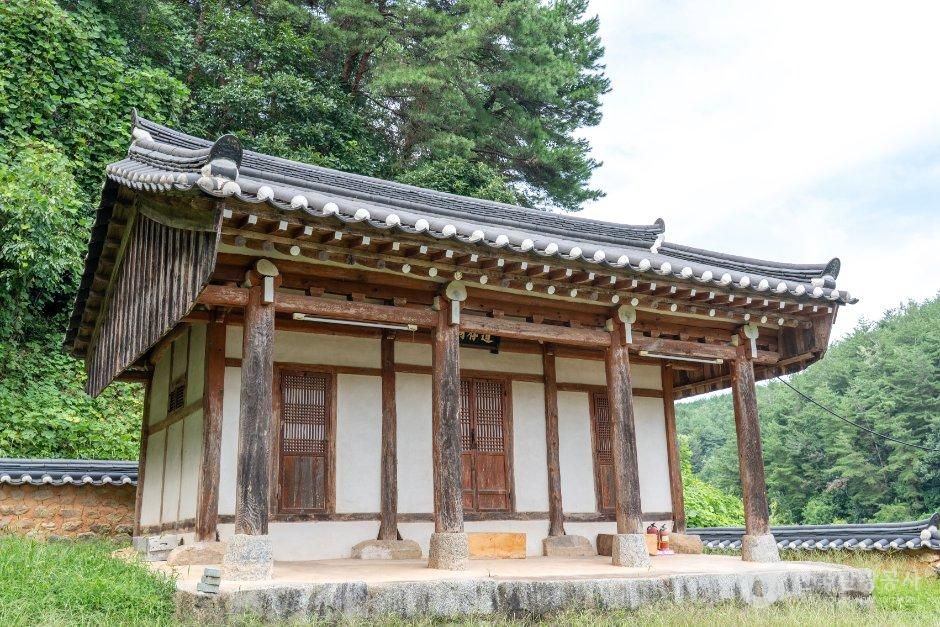
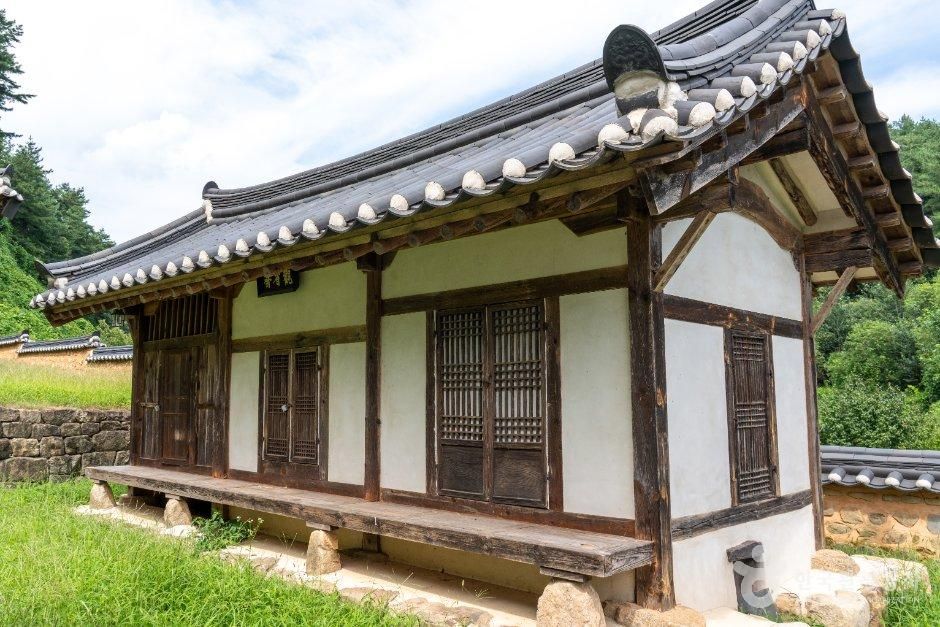
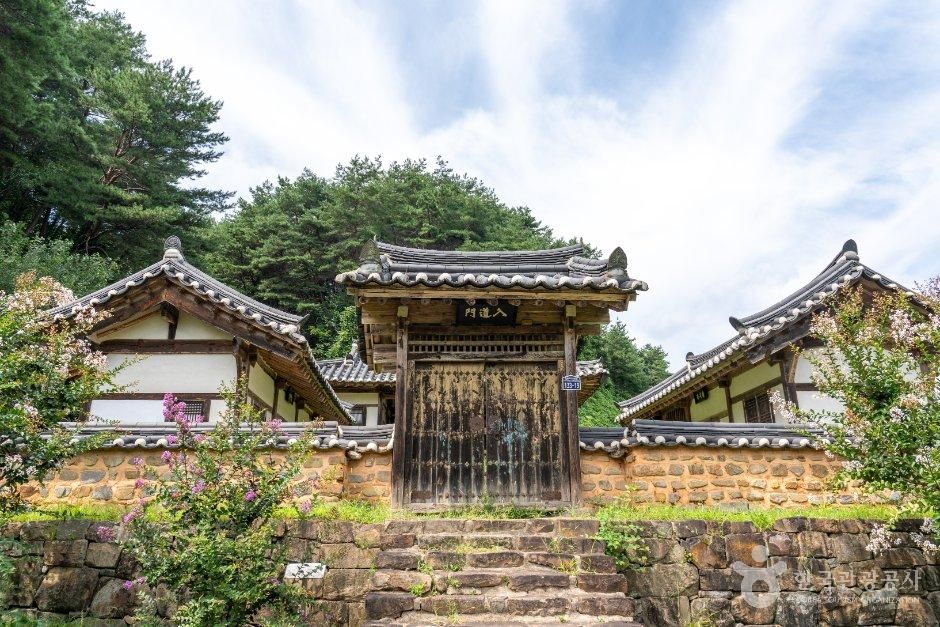
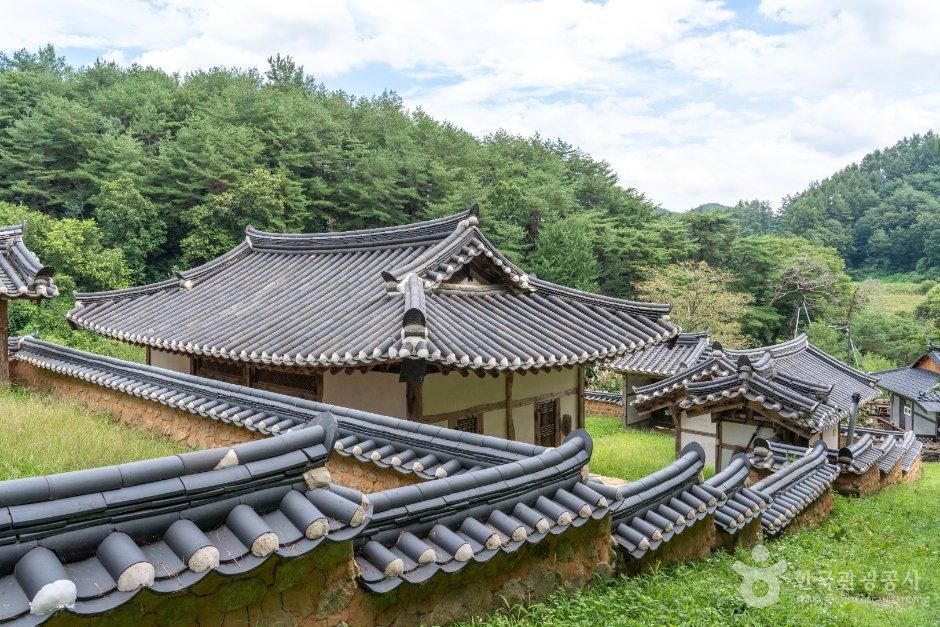
Ogye Seowon is the successor to Ogyejeongsa Temple, which was built by Lee Deok-hong in 1570 (the 3rd year of King Seonjo’s reign) for academic training and mental and physical training. It was destroyed by fire during the Japanese Invasion of Korea in 1592 (the 25th year of King Seonjo's reign), but was relocated to Ssanggye Hill in 1595 (the 28th year of King Seonjo's reign), and was washed away by a flood in 1636 (the 14th year of King Injo's reign). It was rebuilt and rebuilt several times. Due to the public opinion of Sarim, Dojonsa Temple was built on October 2, 1665 (the 6th year of King Hyeonjong's reign) and the memorial tablet of Lee Deok-hong was enshrined, and it was promoted to Ogyeseowon in 1691 (17th year of King Sukjong's reign). When the waterway changed due to the great floods of 1699 and 1707 and the Seowon suffered flood damage, it was moved to its current location in 1711 (37th year of King Sukjong's reign), and his eldest son, Lee Si, was buried there in 1724 (4th year of King Gyeongjong's reign). It was demolished in 1871 (the 8th year of King Gojong's reign), but was restored in 1919, and the Doja Shrine was rebuilt in 1978.
Visitor reviews 0
Videos of this place
Yeongju travel resources
All guides →- e-book