 (new window)
 (new window)
 (new window)
 (new window)
 (new window)
 (new window)
 (new window)
 (new window)
 (new window)
 (new window)
 (new window)
 (new window)
 (new window)
 (new window)
 (new window)
 (new window)
 (new window)
 (new window)
 (new window)
 (new window)
Bulgulsa Temple (Gyeongsan)
Korean name불굴사(경산)
Machine-translated from Korean. Show original
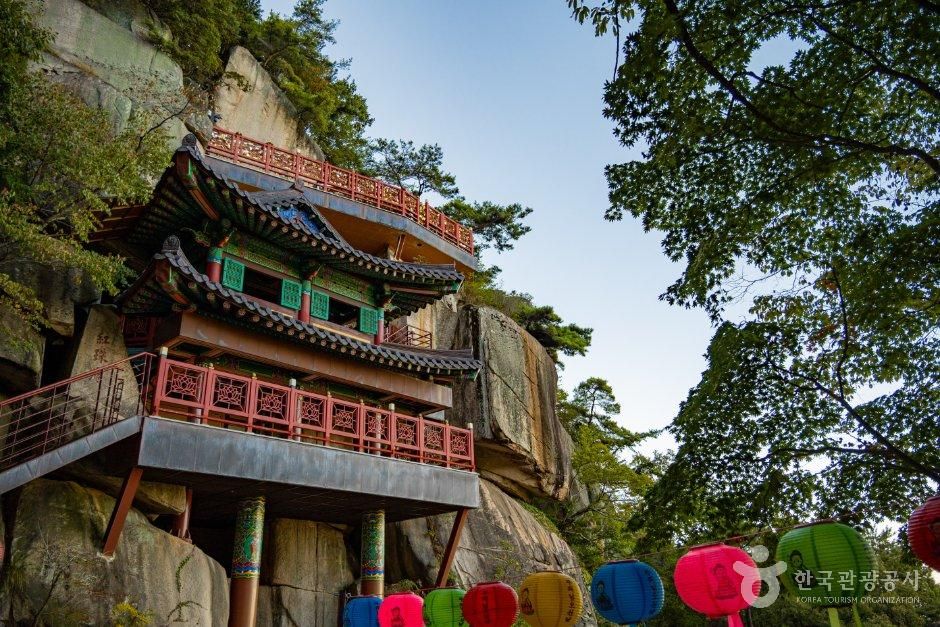
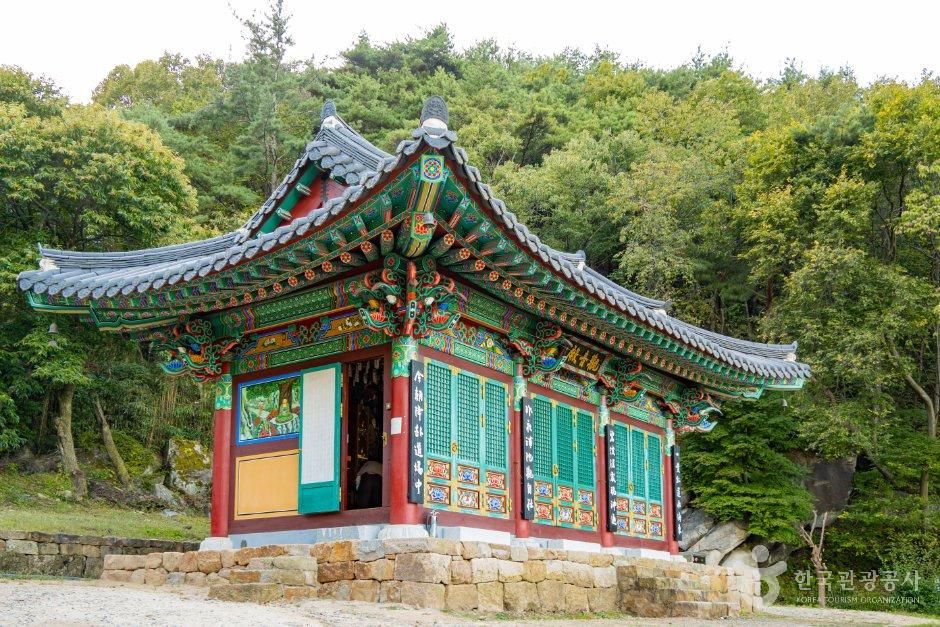
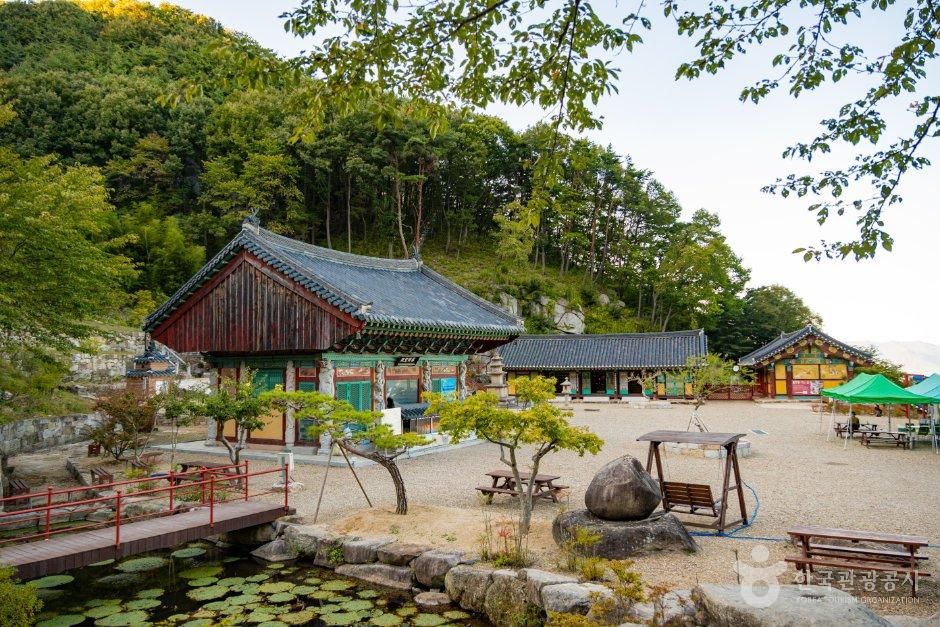
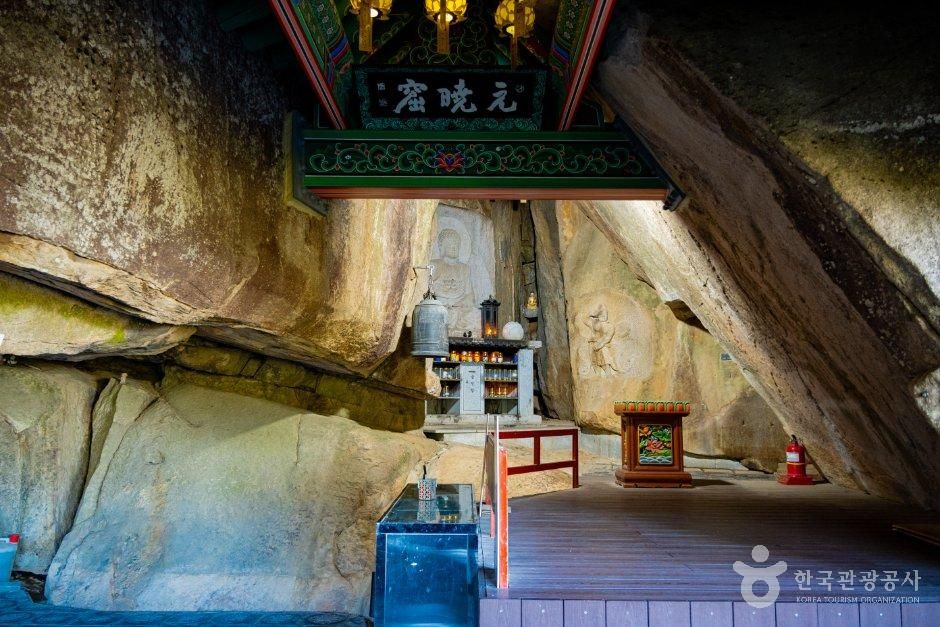
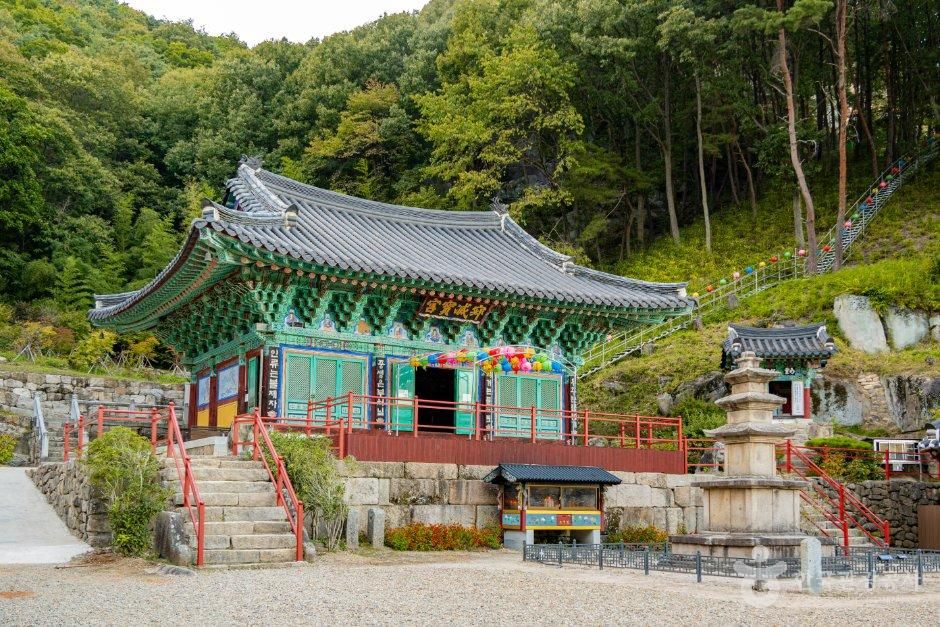
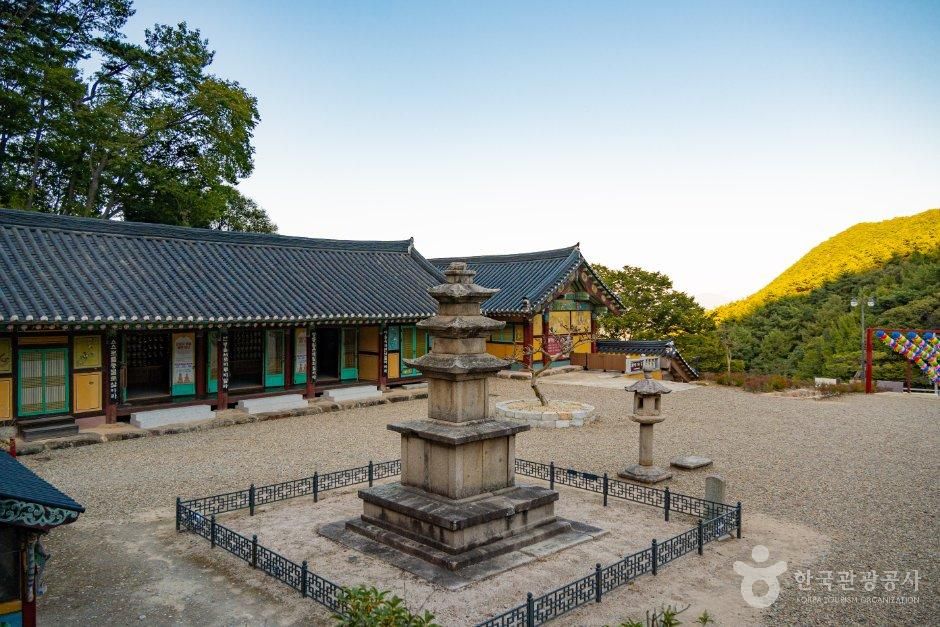
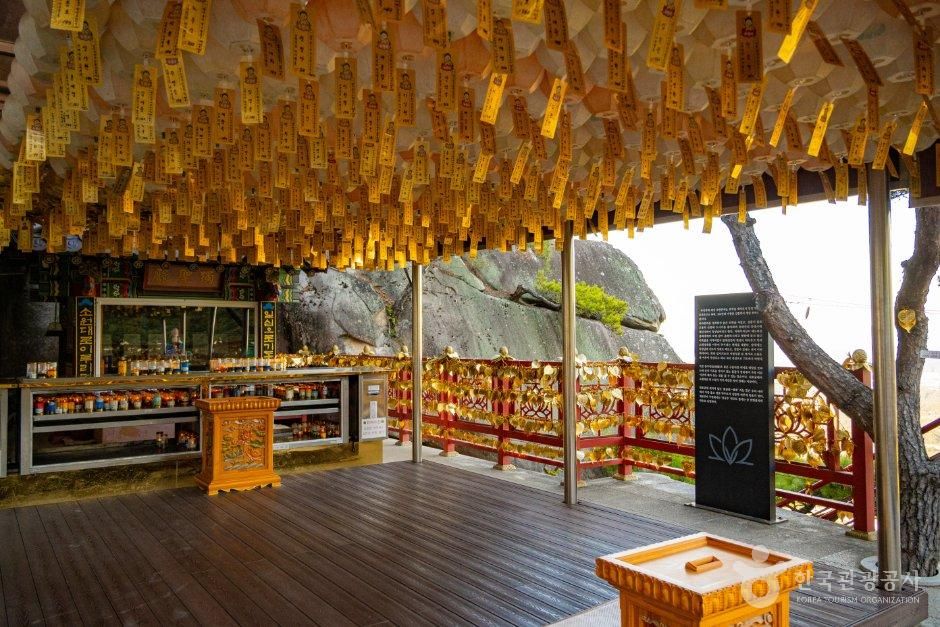
Bulgulsa Temple is located at the southern foot of Palgongsan Mountain and is a subsidiary temple of Eunhaesa Temple, the headquarters of the 10th Diocese of the Jogye Order of Korean Buddhism. It is named so because the Buddha is enshrined in a natural stone cave. It was founded in the 10th year of King Sinmun's reign (690) in Silla. During its heyday, it was a major temple with about 50 wagas, 12 attached hermitages, and 8 water mills. However, it was washed away by a flood in the 12th year of King Yeongjo's reign (1736) in the Joseon Dynasty, and was later rebuilt by the monk of Songgwangsa Temple in Jeolla Province. The precincts include the three-story stone pagoda of Bulgulsa Temple, which has been designated as a treasure, Jeokmyeolbogung, which houses the relics of Buddha's relics, a standing Yaksa Nyorai statue, and a stupa. If you pass the offering hall and climb 108 steps for about 10 minutes, there is a cave that is said to be the cave where Great Master Wonhyo practiced asceticism. It is called Wonhyogul or Hongjuam. The mineral spring in the cave was created during the Silla Dynasty and has the words “Children’s Best Mineral Water” clearly engraved on it. According to oral tradition, this mineral water is also called Janggunsu, and it is also known as the place where General Kim Yu-shin drank this water and prayed for the unification of the three kingdoms. What is unusual is that when it rains around Bulgulsa Temple, the face of the Buddha statue sweats, and especially before heavy rain, the entire body of the Buddha statue gets soaked.
Details
- Admission fee
- Free
- Restroom
- Yes
Visitor reviews 0
Videos of this place
Gyeongsan travel resources
All guides →- e-book