 (new window)
 (new window)
 (new window)
 (new window)
 (new window)
 (new window)
 (new window)
 (new window)
 (new window)
 (new window)
 (new window)
 (new window)
 (new window)
 (new window)
 (new window)
 (new window)
 (new window)
 (new window)
 (new window)
 (new window)
Suseungdae in Geochang
Korean name거창 수승대
Machine-translated from Korean. Show original
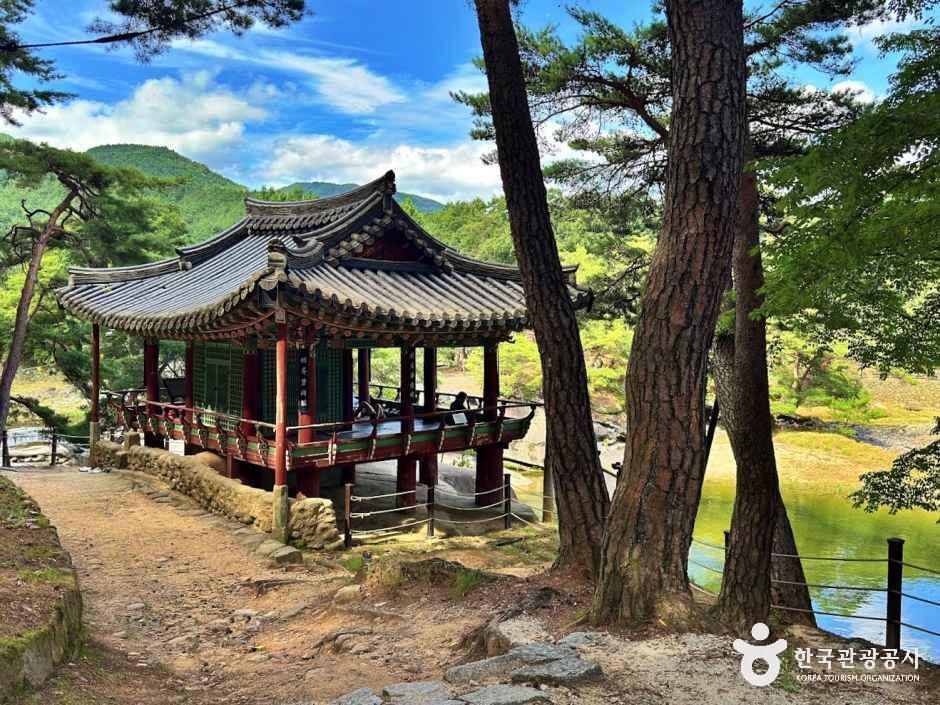
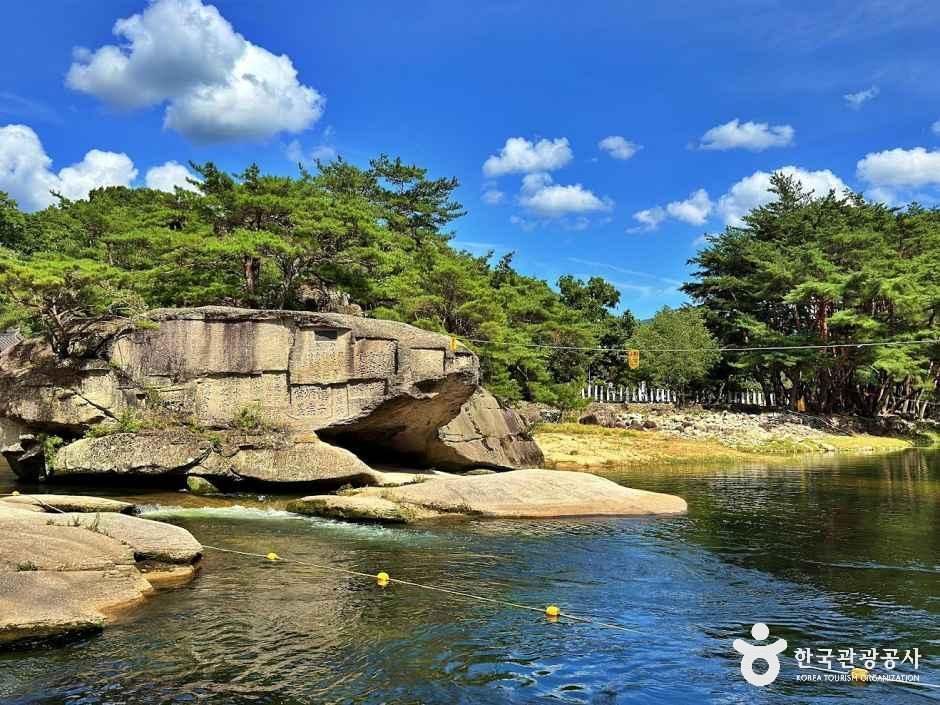
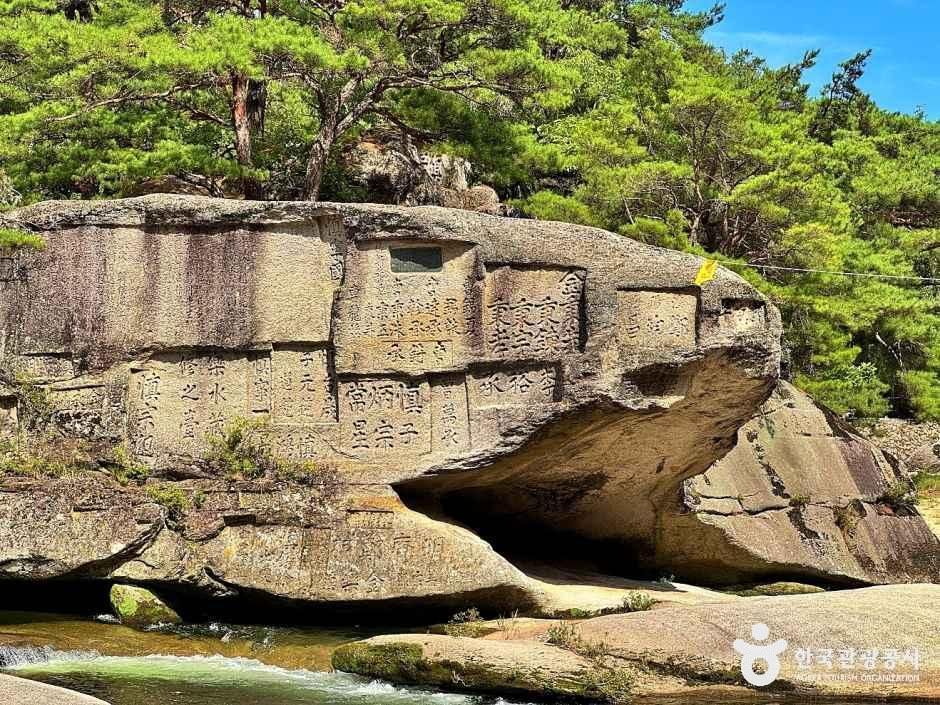
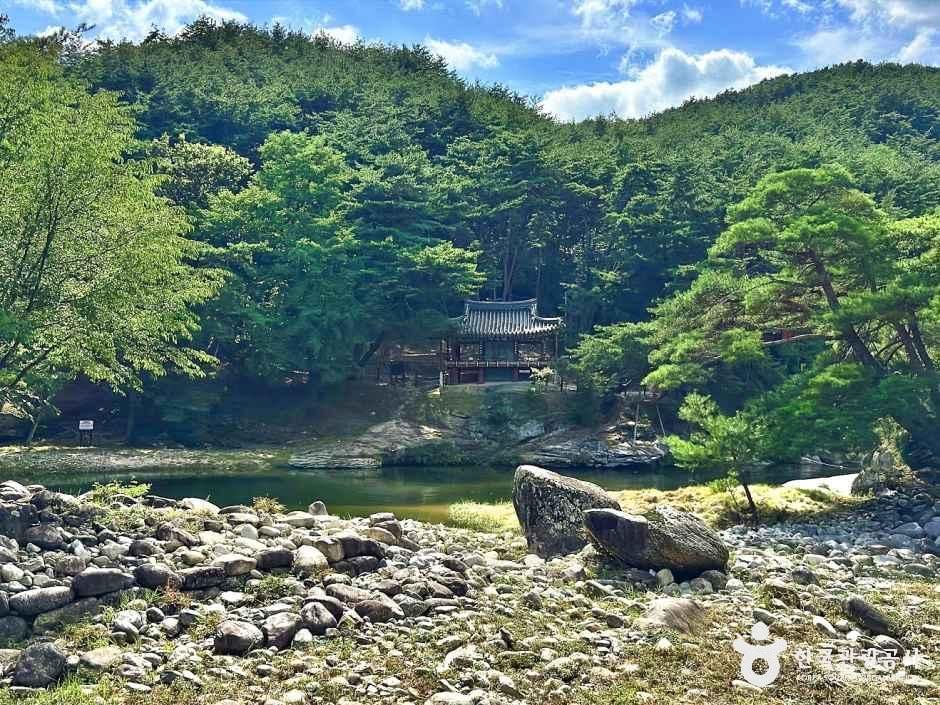
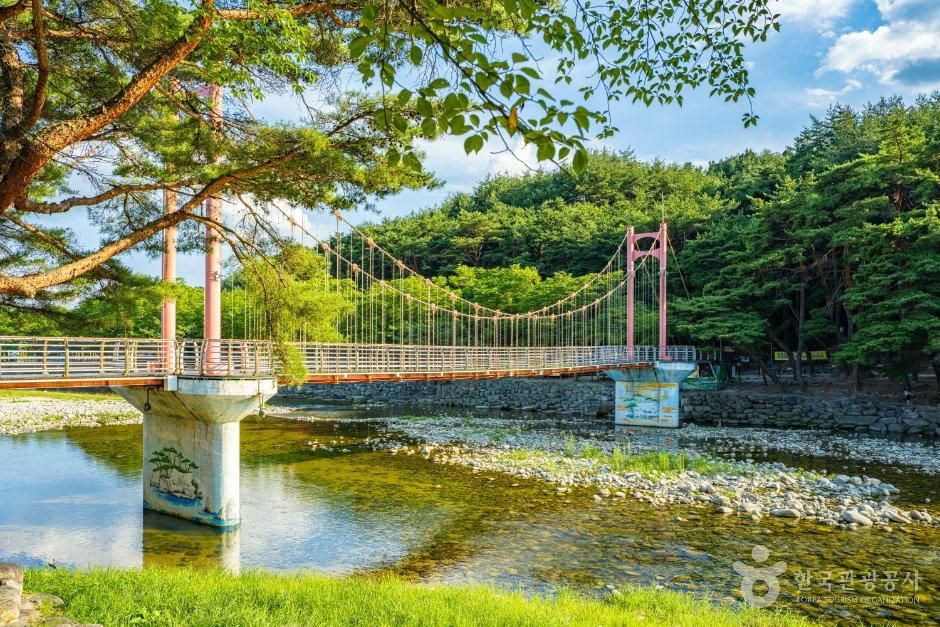
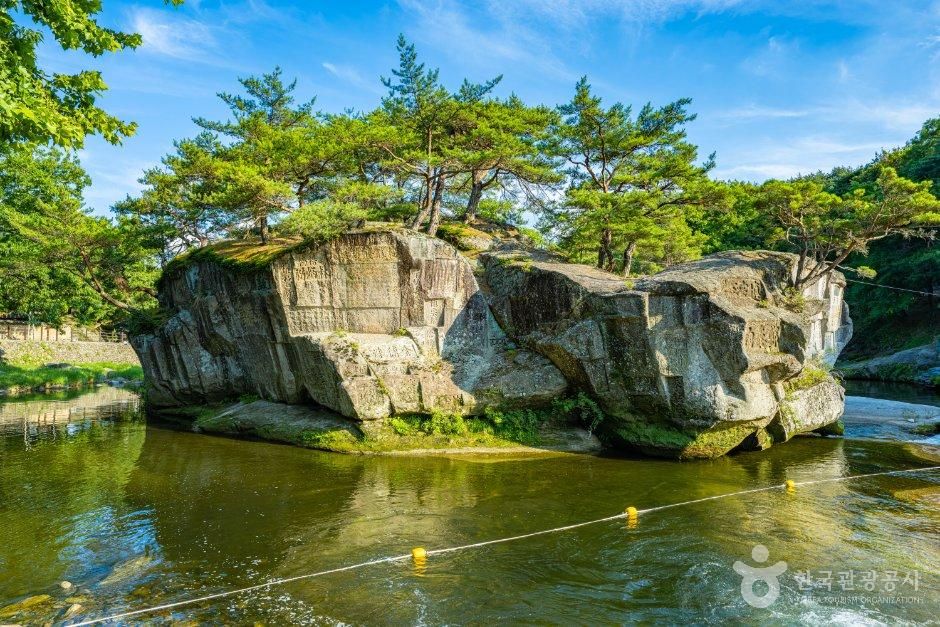
This place was a border area between Silla and Baekje during the Three Kingdoms period, and during the Joseon dynasty it belonged to Anui-hyeon; then, through the administrative district reorganization during the Japanese colonial period, it was incorporated into Geochang-gun and has remained so to this day. Susuengdae was originally a place where, during the Three Kingdoms period when Baekje and Silla were in conflict, envoys traveling from Baekje to Silla were given farewell parties; at first, because people worried that they would not be able to return, it was called Susongdae (愁送臺) using the characters 愁 (worry) and 送 (send). The name Susongdae also means a place with scenery so outstanding that one can forget worldly worries and cares, and it has been compared to a name in Buddhism. Later, during the reign of King Jungjong of Joseon, Master Yosu Sin-gwon (樂水 愼權) lived in seclusion here, established Guyyeonseodang (龜淵書堂), and trained his disciples; because the shape of the site resembled a turtle, it was called Amgudae (岩龜臺), and the grounds were called Guyyeondong (龜淵洞).
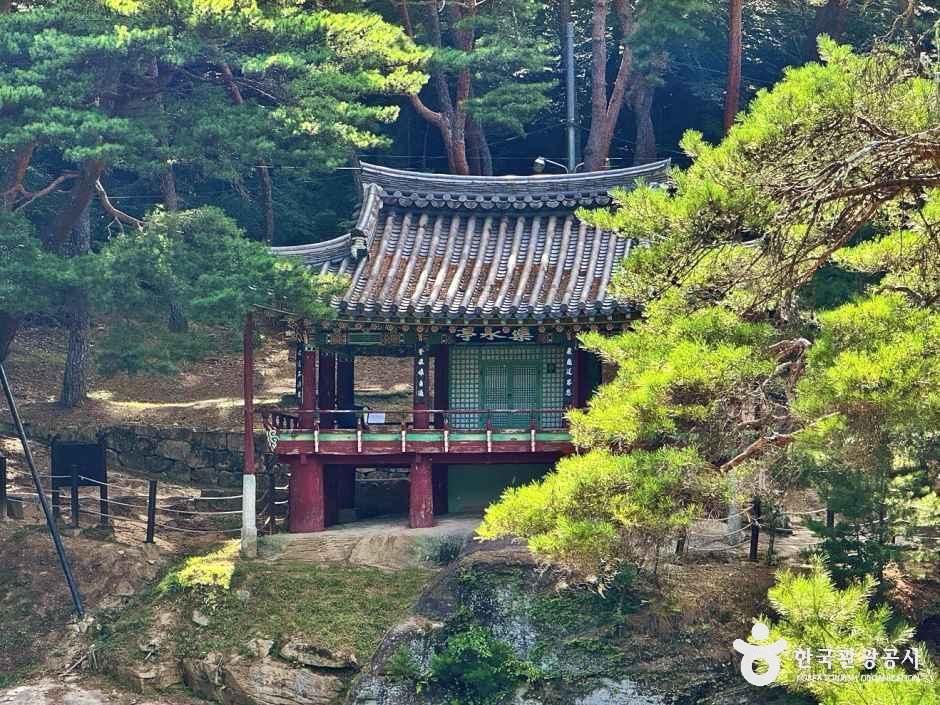
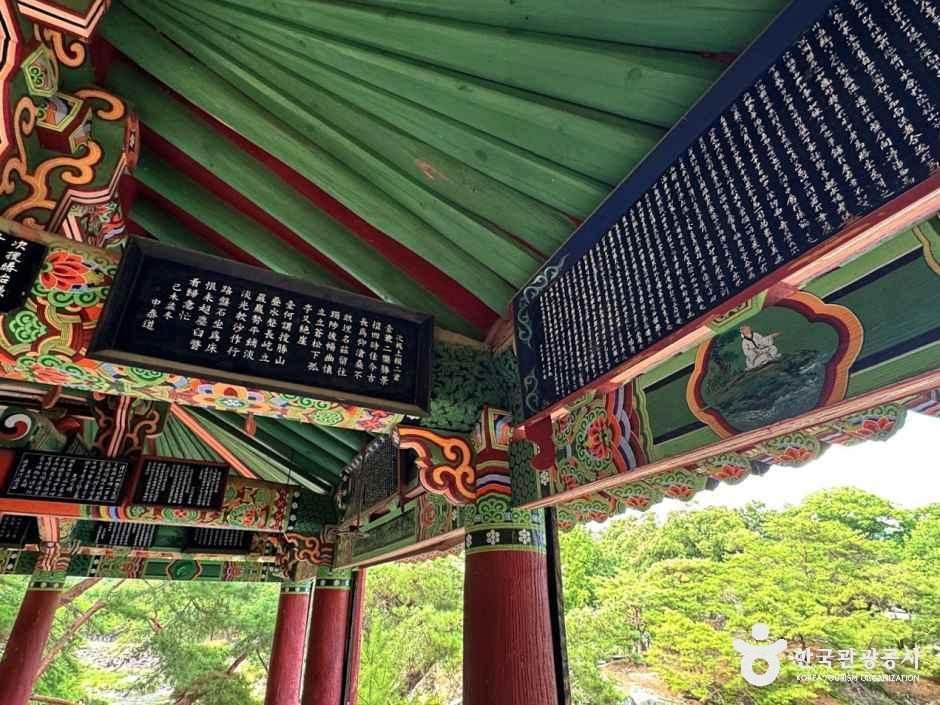
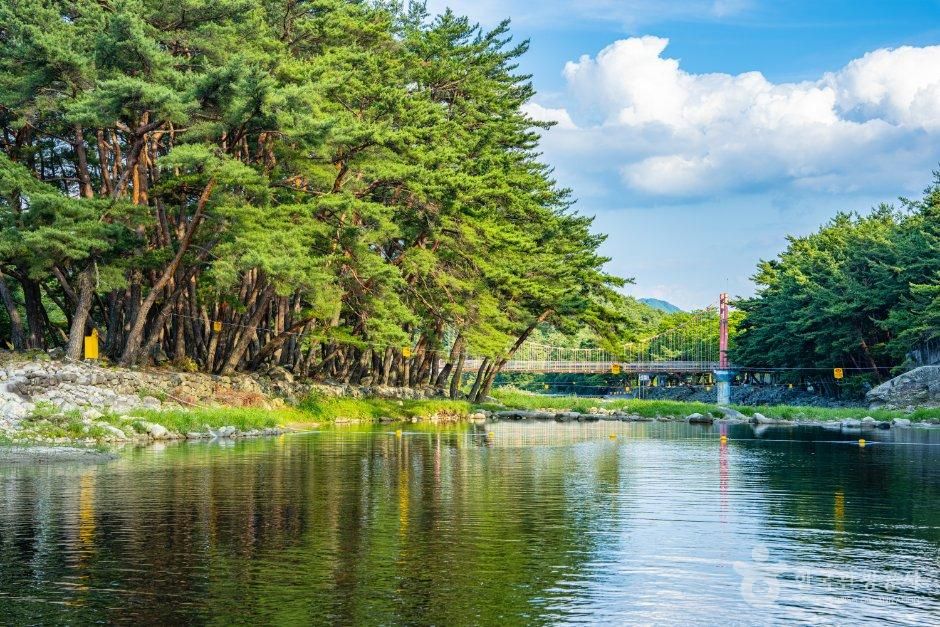
The current name originates from 1543, when Toegye Yi Hwang (退溪 李滉) came to Sam-dong of Anui-hyeon for sightseeing and stayed at Yeongseung-ri of Mari-myeon. Upon hearing its history, he had to return to office due to urgent official duties and could not visit this place; deeming the name unrefined, he sent a four-line poem (四律詩) recommending changing it to Susuengdae (搜勝臺), which has the same sound, and Yeosu Sin Gwon carved it on a large stone. Within the grounds are Guyoun Seowon (龜淵書院), Sau (祠宇), Naesammun (內三門), Gwansuru (觀水樓), Jeonsacheong (典祠廳), Yosujeong (樂水亭), Hamyangjae (涵養齊), Jeongnyeo (旌閭), Sangosujangbi (山高水長碑), Yujeokbi (遺蹟碑), and Amgudae (岩龜臺), which are jointly managed by the Confucian community and the Yeosu lineage of the Geochang Sin clan; the pine forest, water, and rocks combine to create outstanding scenery, and rare plants including Cheilanthes argentea grow wild around Jagoam and its surroundings.
Details
- Admission fee
- Free
- Facility usage fee
- [Camping Site Usage Fees]
- Camping deck: 30,000 won / Auto camping site & Second auto camping site: 50,000 won
[Sledding Area Usage Fees]
- Individual: Adults 8,000 won / Youths & military 7,000 won / Children 6,000 won
- Group rates: Adults 7,000 won / Teenagers & Military personnel 6,000 won / Children 5,000 won (for groups of 30 or more) - Parking fee
- [Small vehicles: Passenger cars, vans with 15 seats or less, trucks with a capacity of 1 ton or less]
- Over 3 hours to 7 hours: 2,000 won
- 1-day parking 5,000 KRW [large vehicles: buses, trucks, etc.]
- Over 3 hours to 7 hours: 4,000 won
- 10,000 won per day for parking - Restroom
- Yes
- Korean-language guide service
- Cultural tourism interpreters available
Accessible travel information
Machine-translated from Korean.
Mobility
- Parking
- Accessible parking available (8 spaces), barrier-free facilities
- Public transport
- Bus routes from Geochang Intercity Bus Terminal: Geochang to Buksan, Geochang to Sansu
- Access route
- A ramp (gentle slope) is installed up to the entrance_Barrier-free facilities
- Entrance passage
- The main entrance has no threshold; wheelchair accessible
- Restroom
- Accessible restroom available (with toilet seat handles, emergency call button, swing door, entrance slightly narrow)
Traveling with pets
Machine-translated from Korean.
Pets allowed in some areas
- Pets allowed
- All dog breeds allowed
- Requirements for pets
- Leash required
- Accident precautions
- All dog breeds allowed
- Other information
- - The following facilities (camping site, campground, swimming pool, sledding area, etc.) are not accessible
- Muzzles are required for dangerous breeds
- Bring waste bags and clean up after your pet