 (new window)
 (new window)
 (new window)
 (new window)
 (new window)
Micheon Seowon
Korean name미천서원
Machine-translated from Korean. Show original
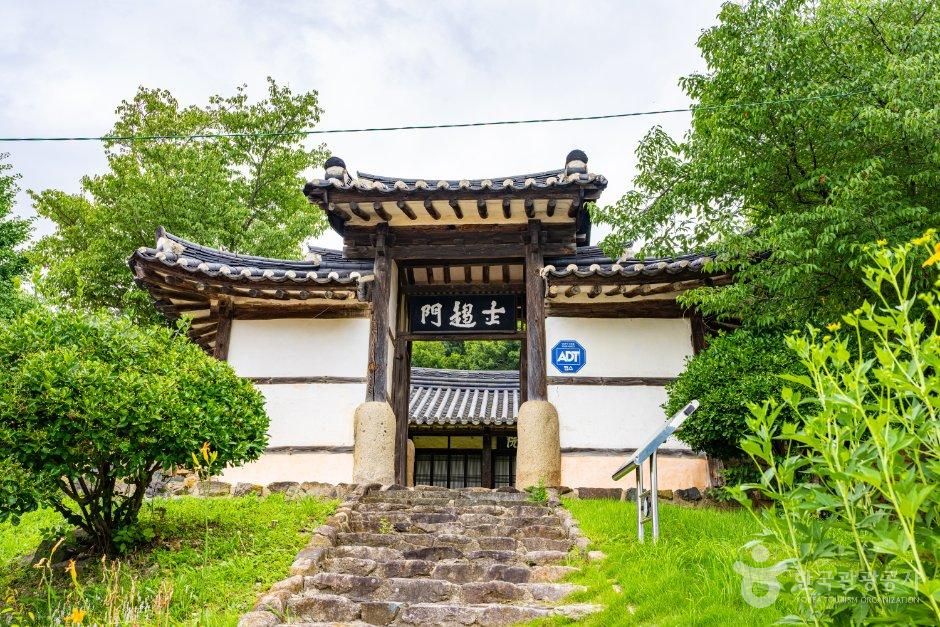
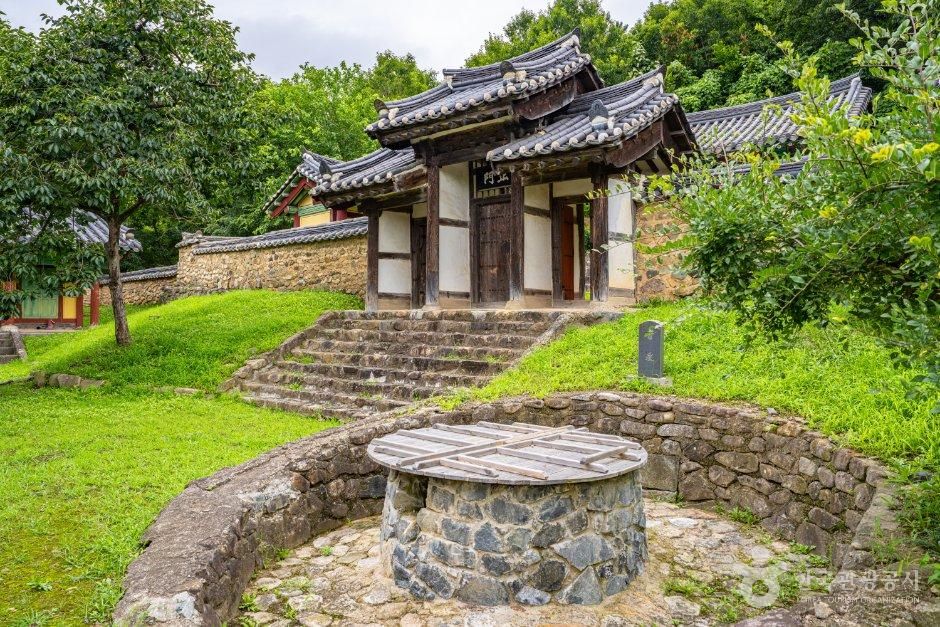
Micheon Seowon is located along the railway in Anchang-dong, Naju-si, Jeonnam-Gwangju Integrated Special City, on the road from Yeongsanpo to Dasi-myeon. Behind the lecture hall of the seowon is a spring called 'Micheon,' which gave the seowon its name. When Heo Mok was young, the villagers could not think of digging a well because there was none, so he said, 'If you dig where I tell you, water will come out.' Indeed, water gushed out there, and they no longer suffered. Thus the spring was named Micheon [眉泉], and this is said to be the origin of the seowon's name.
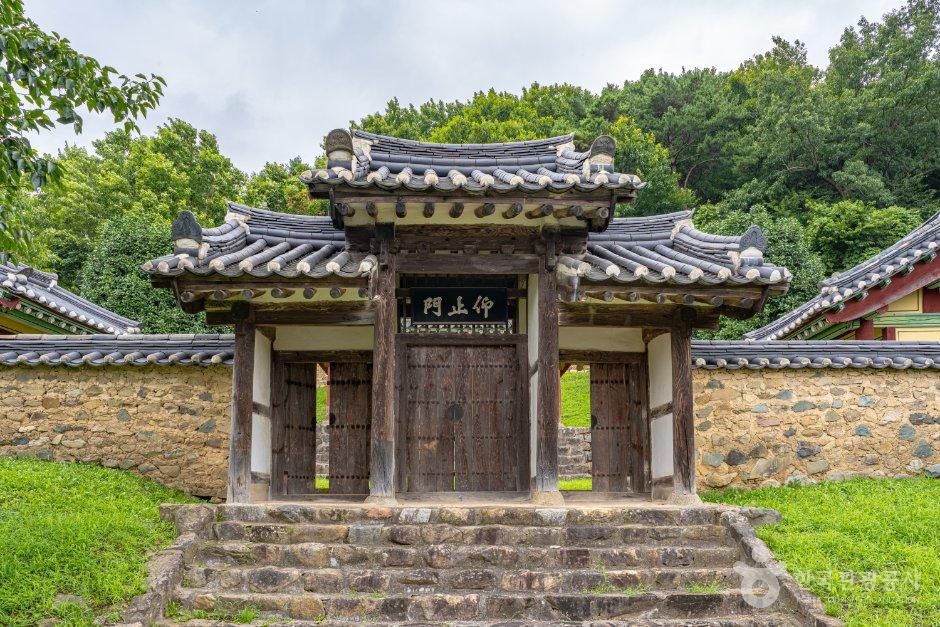
This seowon was built in the 16th year of King Sukjong's reign (1690) as a shrine at Micheon-sang, Geumgang, Naju, to honor the Neo-Confucian spirit of Munjeonggong Misu Heo Mok, a renowned scholar of the 17th-century Joseon period, and in 1693 it was granted the name Micheon Seowon by royal charter.
Afterwards, in the 23rd year of King Jeongjo's reign (1799), Beonam Chae Je-gong, who served as the 13th head of Micheon Seowon, was additionally enshrined. Although Chae Je-gong was a figure of a much later generation than Heo Mok, he was enshrined additionally because he followed Heo Mok's scholarship and contributed greatly to Micheon Seowon.
In 1711, Hong Myeong-han rebuilt it, and in 1715, the lecture hall and the shrine were rebuilt. After that, it was demolished, and before the 47th year of King Yeongjo's reign (1771), the shrine was rebuilt, and then it was demolished a second time due to the decree to abolish seowon in the 5th year of King Gojong's reign (1868). When the seowon was abolished, the yeongdang and the woodblock storage building were moved to Yeongdang Village below the ancestral mountain in Samyeong-dong, Naju-si, where many descendants of Heo Mok lived.
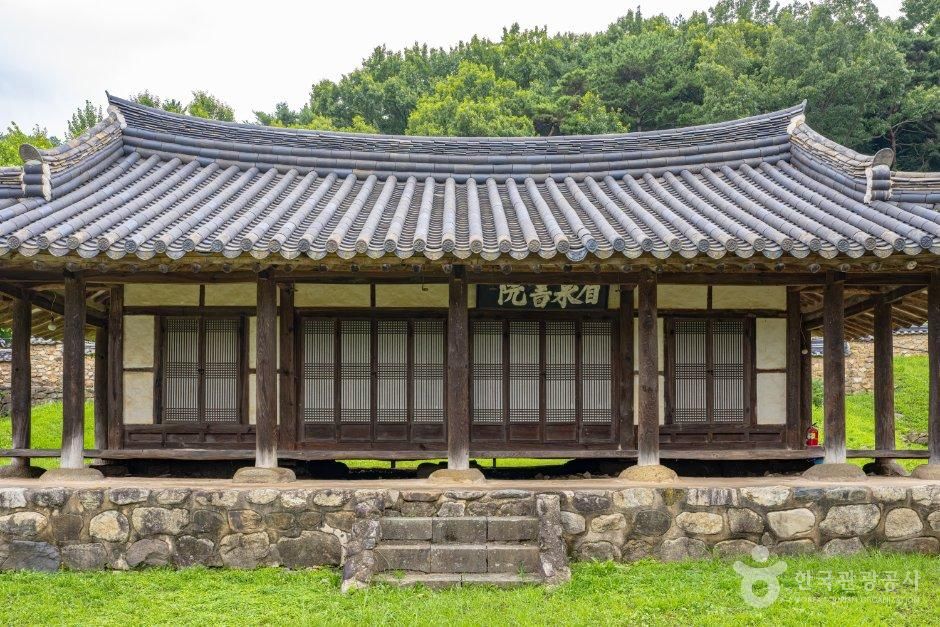
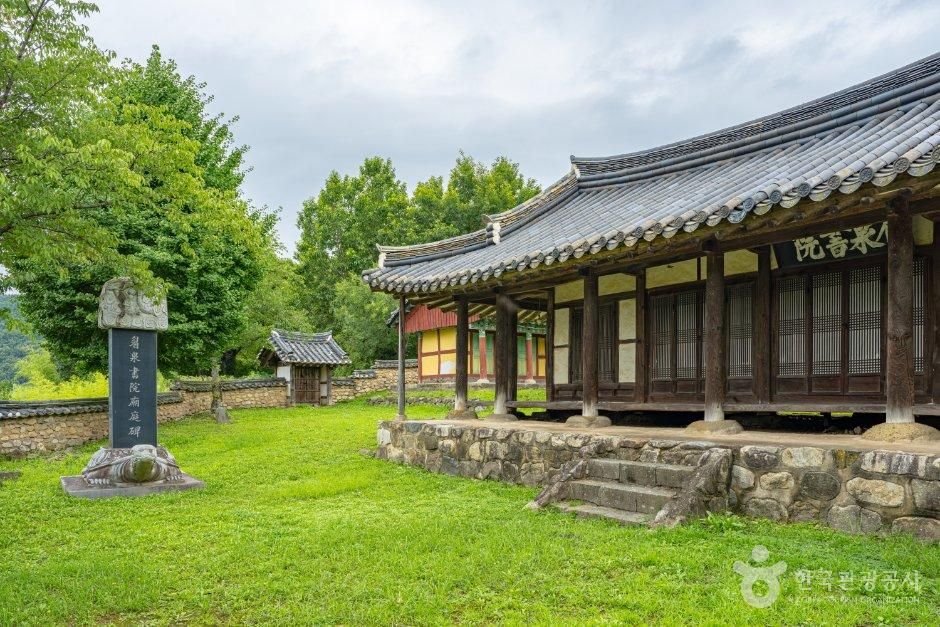
In 1893, a yeongdang (portrait shrine) with 3 bays in front and 2 bays on the side was rebuilt on the present site, the former site of Micheon Seowon, and the portrait was moved to the current location; a lecture hall with 6 bays in front and 3 bays on the side was also rebuilt at the same time. In 1930 Jo Gi-jung repaired part of the lecture hall, and in 1937 Heo Yeong-gyu carried out extensive repairs.
Details
- Admission fee
- Free
Visitor reviews 0
Videos of this place
Naju travel resources
All guides →- Guides