 (new window)
 (new window)
 (new window)
 (new window)
 (new window)
 (new window)
 (new window)
 (new window)
 (new window)
 (new window)
 (new window)
 (new window)
 (new window)
 (new window)
Gokseong Hyanggyo
Korean name곡성향교
Machine-translated from Korean. Show original
- Inquiries
- Gokseong County Office, Culture and Sports Division 061-360-8481
- Opening hours
- Phone Inquiry
- Closed
- Phone Inquiry
- Pets
- None
- Stroller rental
- None
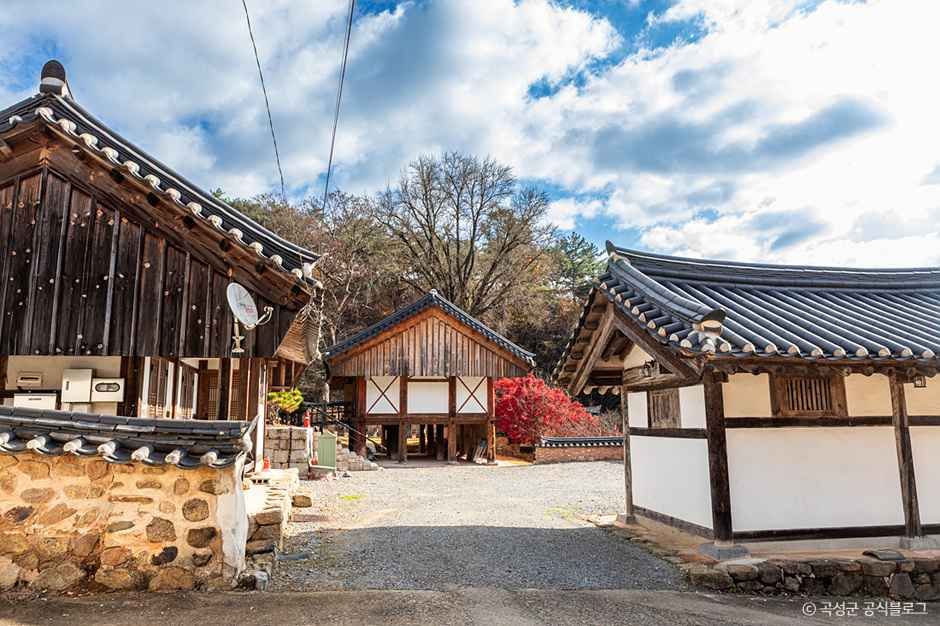
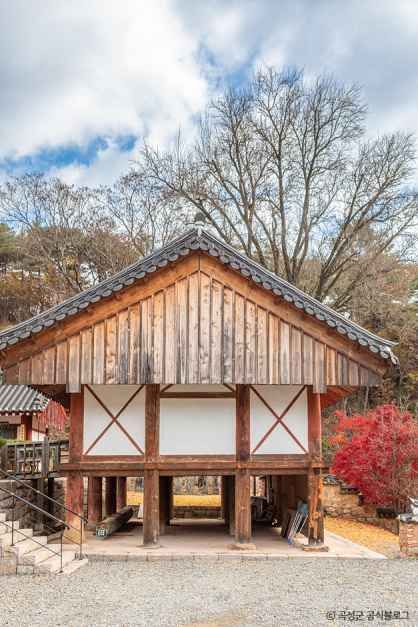
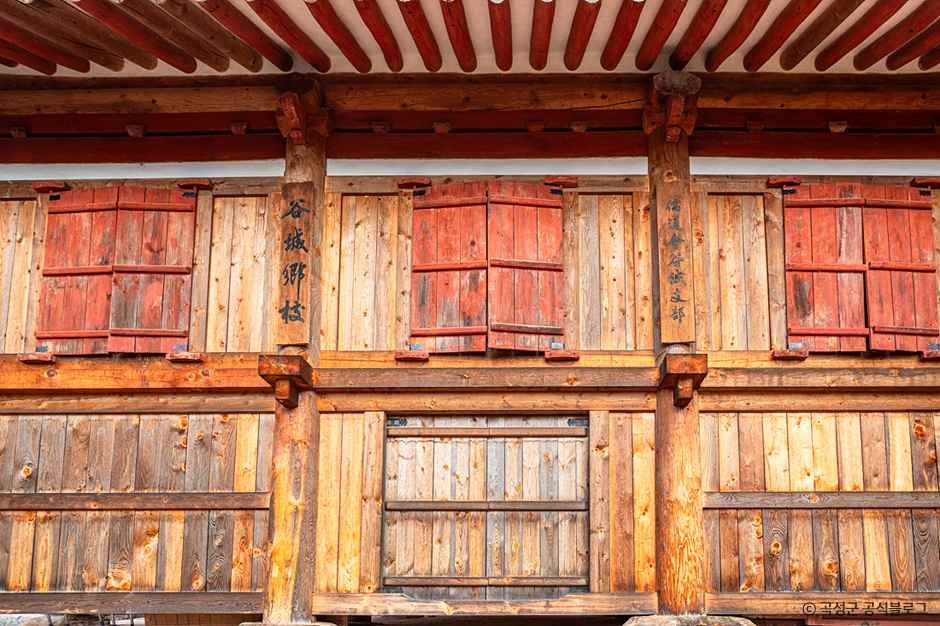
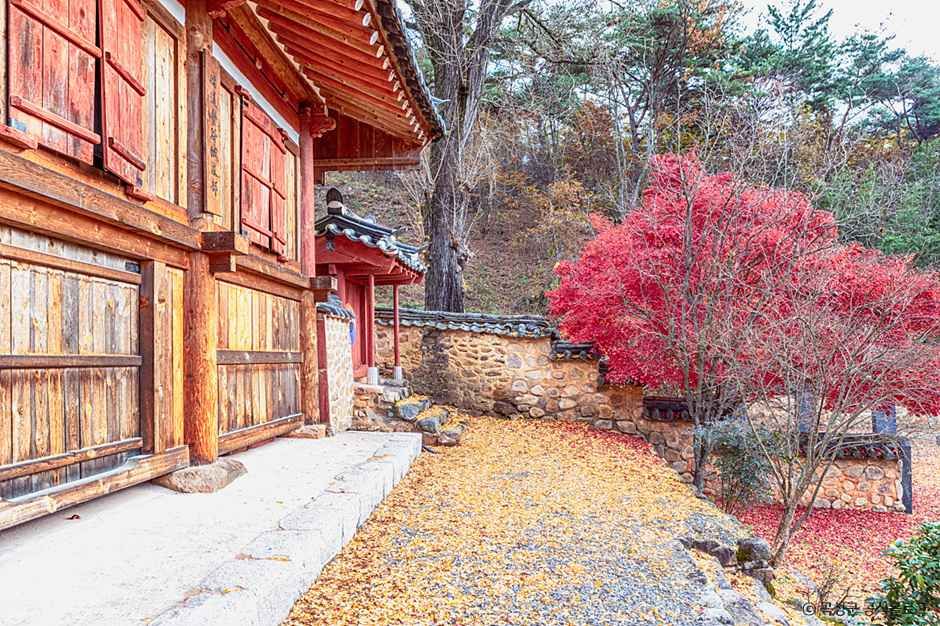
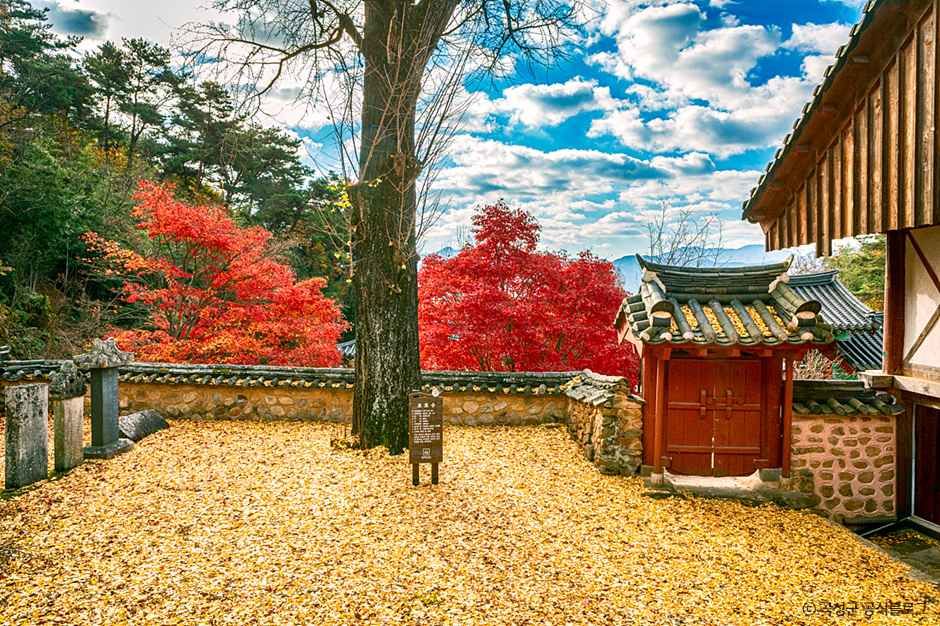
Gokseong Hyanggyo is said to have been built in the 3rd year of King Seonjo's reign (1570) in the Joseon Dynasty, but according to 『Sinjeung Dongguk Yeoji Seungnam』, it appears to have been built before King Jungjong (reigned 1506-1544).
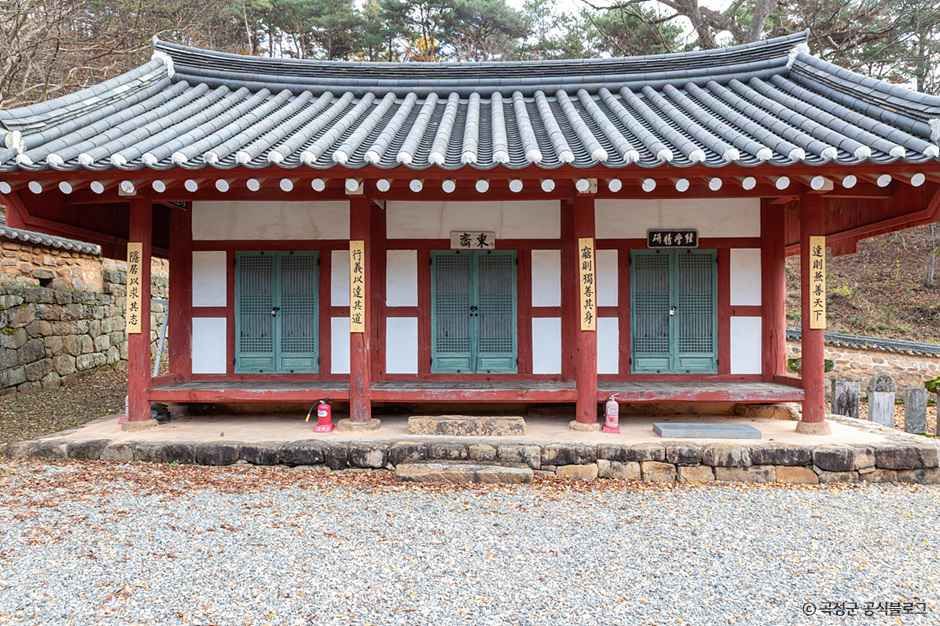
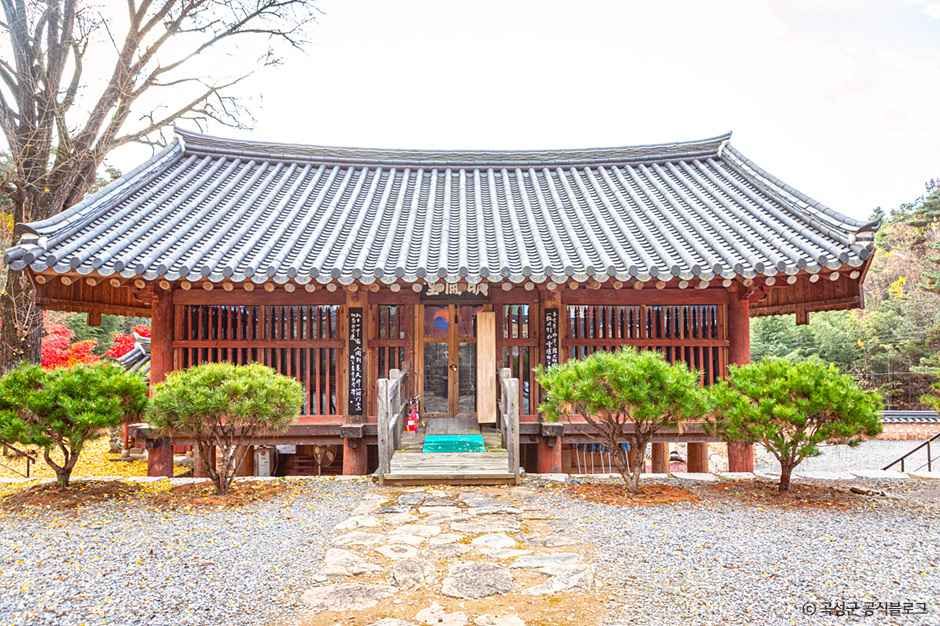
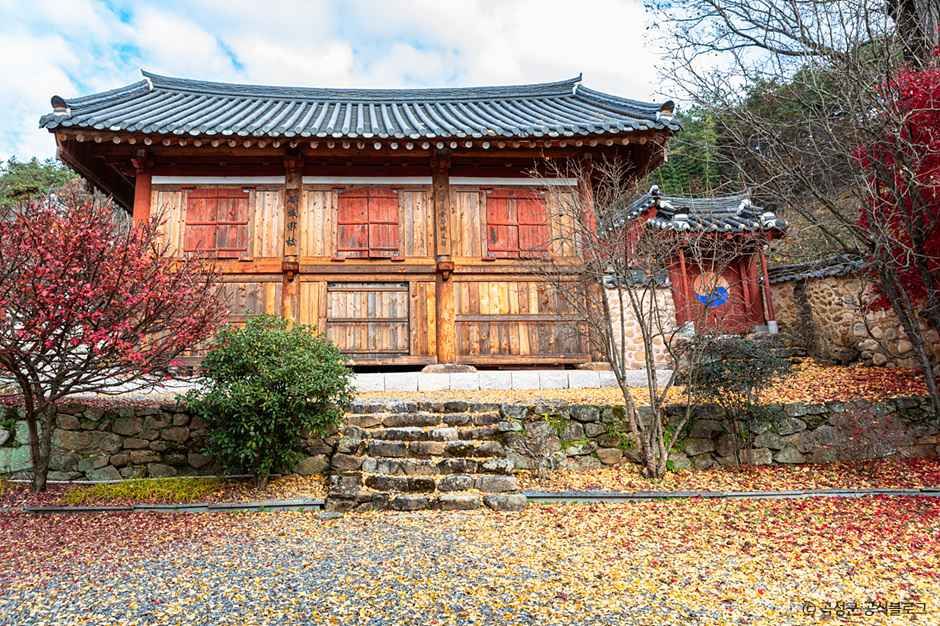
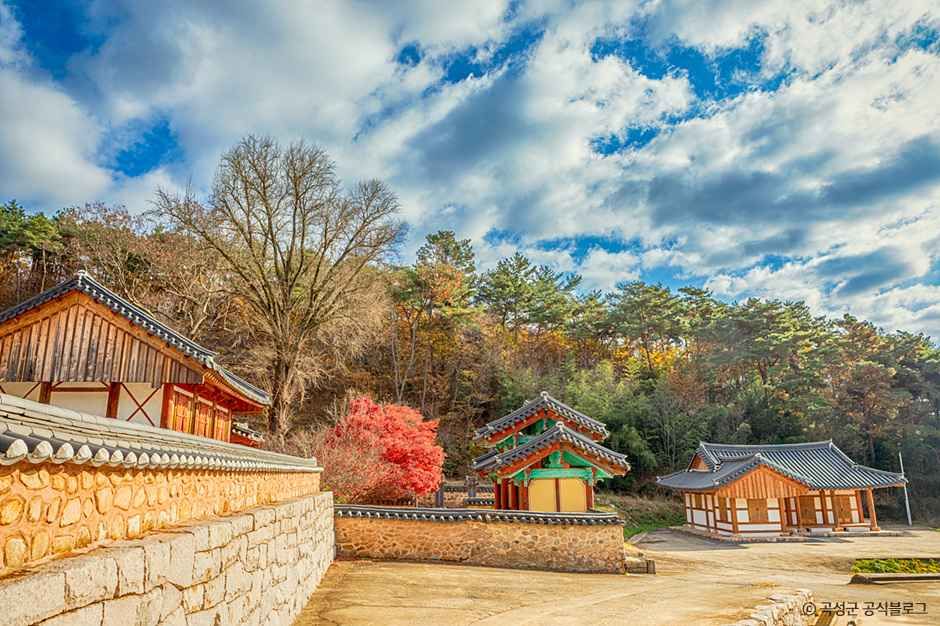
The layout of the building has Myeongryundang, an educational space, and Dongjae and Study in the front, and Daeseongjeon, a ancestral rite space, is in the back, so it is in the form of a former school and a tomb.
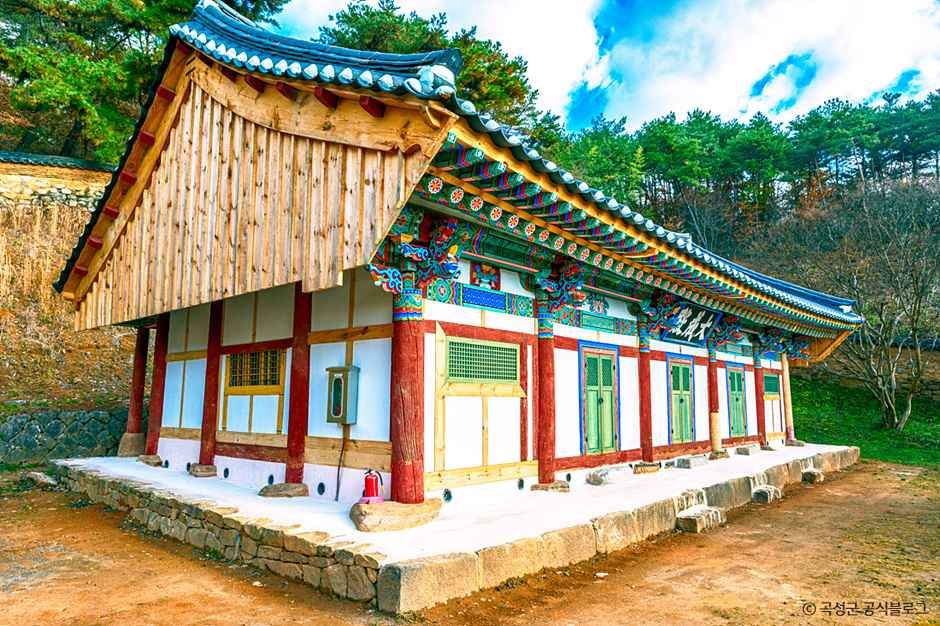
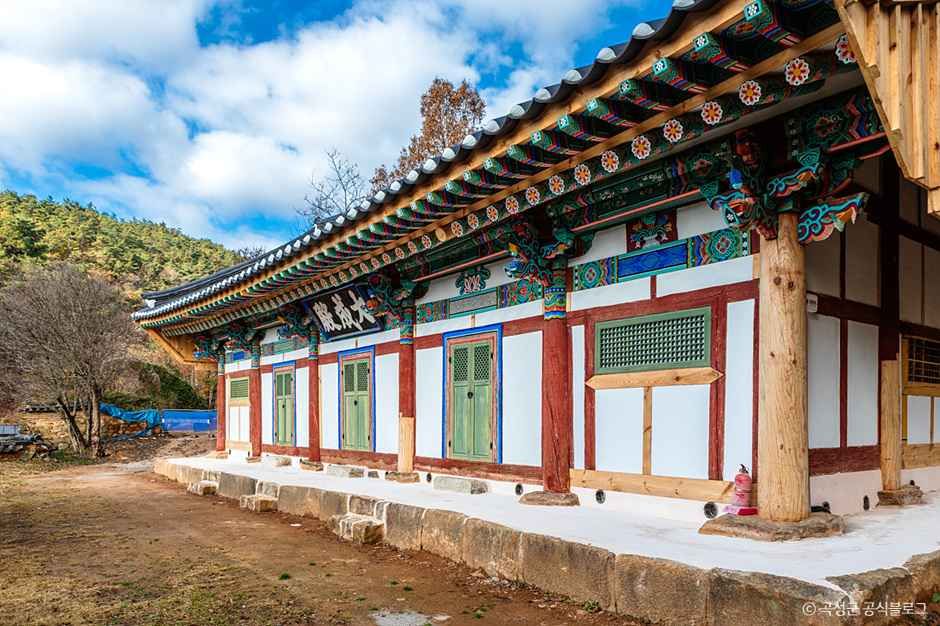
The Daeseongjeon Hall measures 5 kan (kan) on the front and 3 kan (kan) on the sides, and has a gable roof that is shaped like the character 人 (人) when viewed from the side. The gonggo, decorated to support the eaves of the roof, is in the ikgong style, framed in the shape of a bird's beak. Inside, the memorial tablets of Chinese and Korean Confucian scholars, including Confucius, are enshrined.
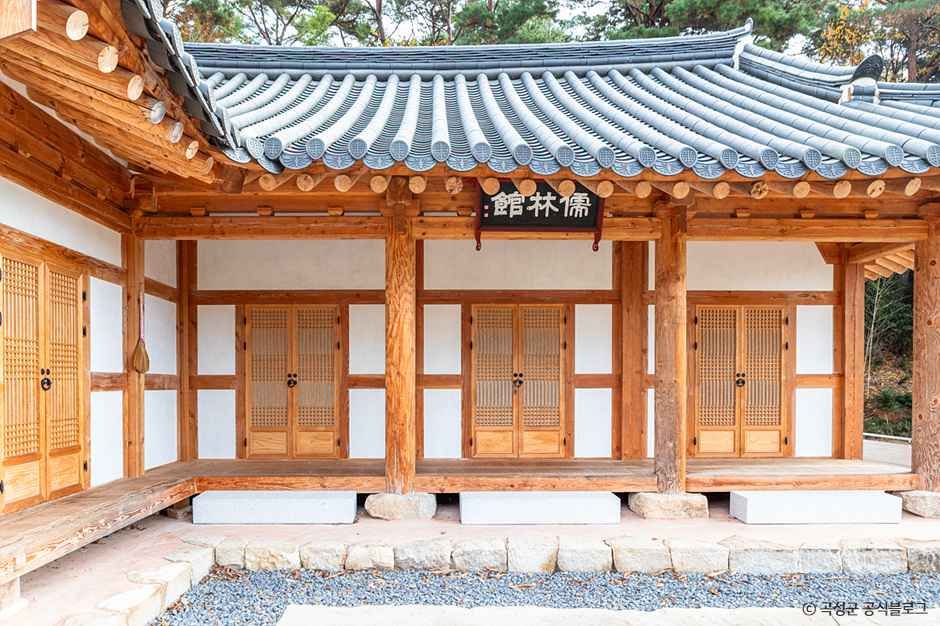
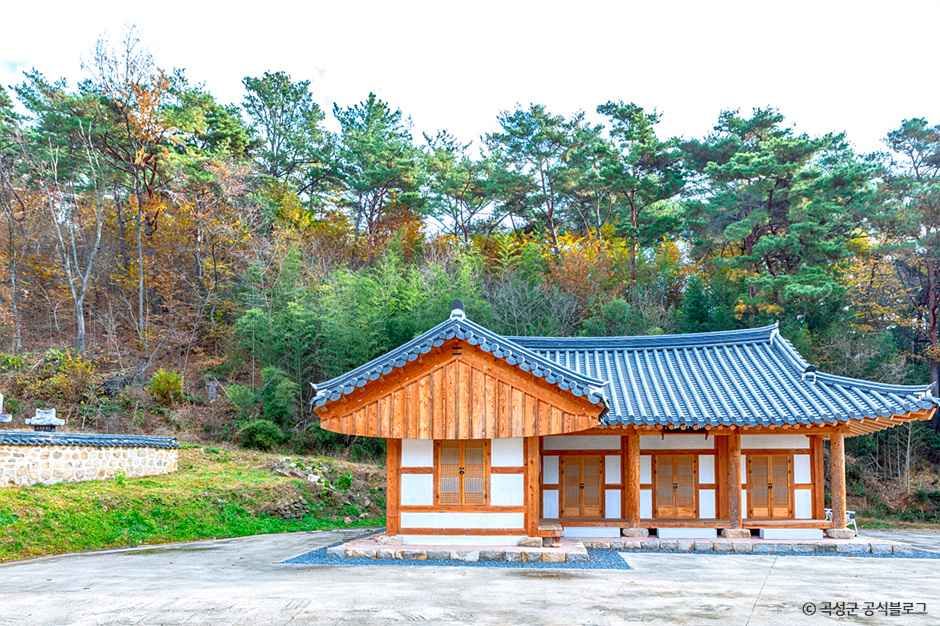
Myeongryundang has 3 rooms on the front and 3 rooms on the sides and has a gable roof, and the east and study rooms each have 3 rooms on the front and 2 rooms on the sides. Myeongnyundang is an auditorium where students gather to study, and East and West are dormitories. Other buildings include Naesammun, Jeonsacheong, and Gyojiksa.
During the Joseon Dynasty, land, slaves, and books were provided by the government to teach students, but now the educational function has disappeared and only the ancestral rite function remains.
(Source: Korea Heritage Service)
Details
- Admission fee
- Free
Visitor reviews 0
Videos of this place
Gokseong-gun travel resources
All guides →- Guides