 (new window)
 (new window)
 (new window)
 (new window)
 (new window)
Birthplace of Manhae Han Yong-un
Korean name만해 한용운선생 생가지
Machine-translated from Korean. Show original
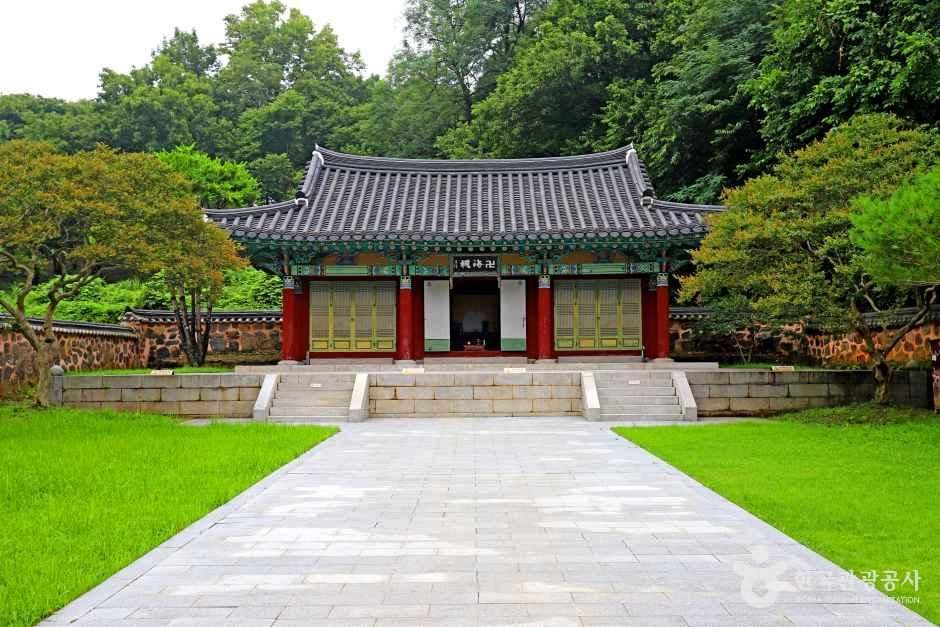
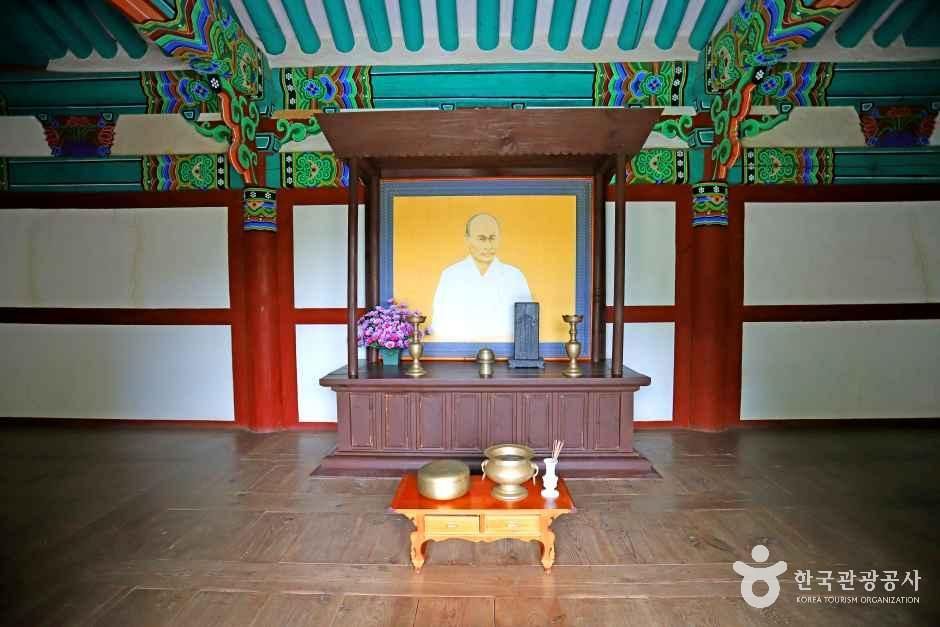
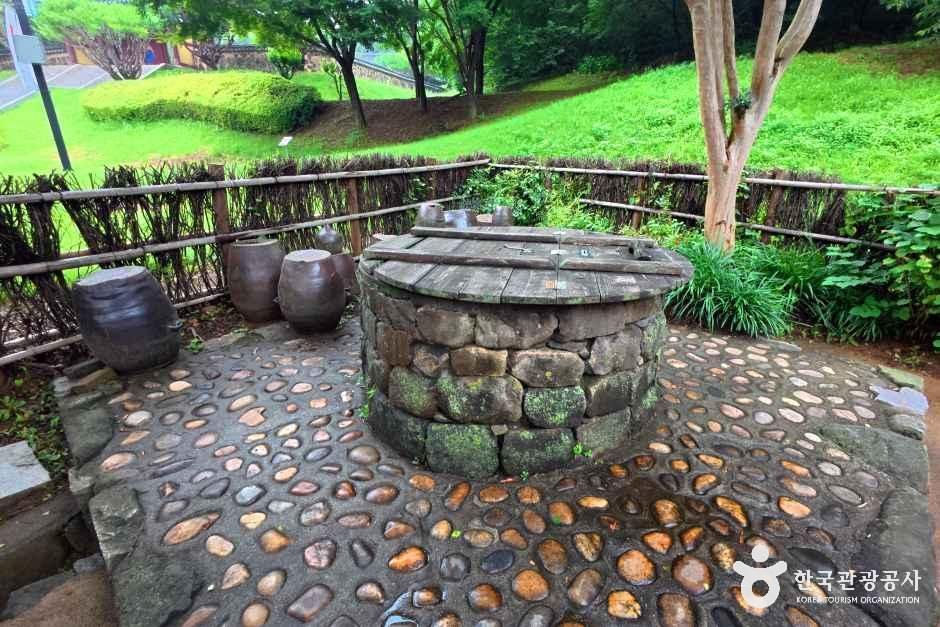
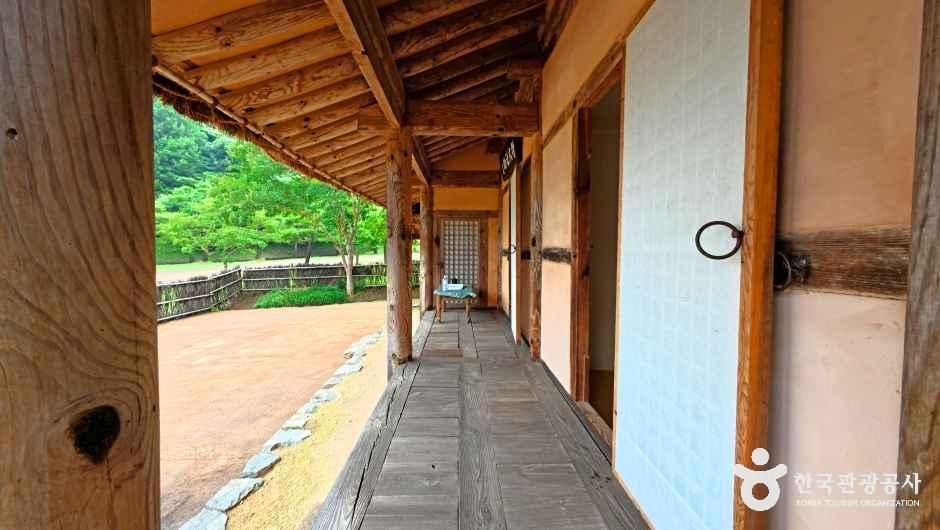
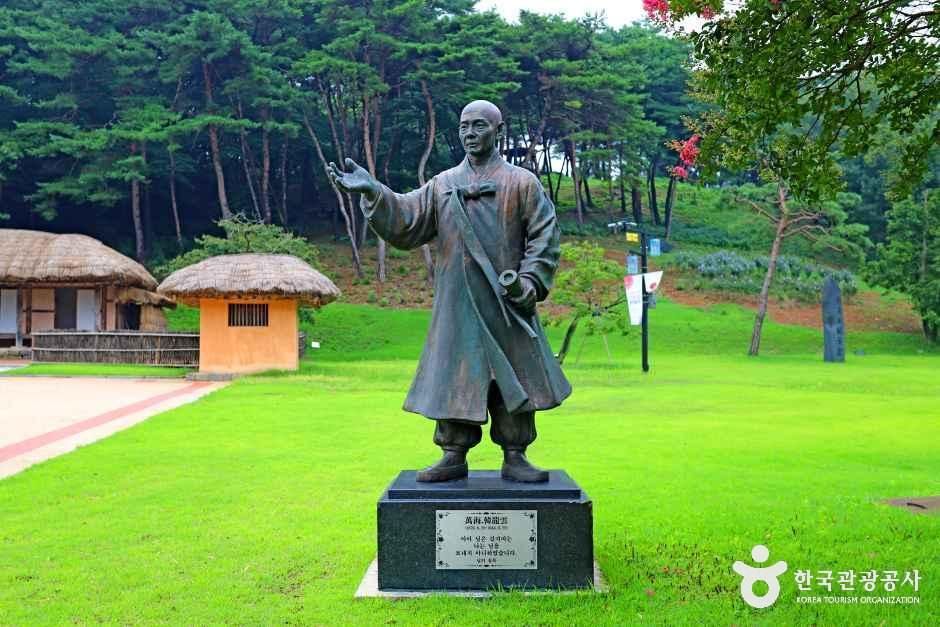
Manhae Han Yong-un's birthplace has a thatched roof and is a straight structure consisting of two rooms and a kitchen. There is a name plate saying Han Yong-un on it. The veranda and veranda are infinitely cozy, and if you go around the well and the crock pot and look up the hill behind the house, you will see red pine and bamboo growing there. Next to the kitchen is a barn where firewood is stored, and next to the living room is a barn where mortars and millstones are stored. A little away from the place of birth, there is a shrine called Manhaesa Temple that houses the memorial tablet and portrait. Teacher Han Yong-un, who was born here in Seonggok-ri in 1879, studied Chinese classics at Seodanggol in Seonggok-ri from the age of six, mastered literature at the age of nine, and grew up being called a prodigy. At the age of 26, he entered Baekdamsa Temple in Gangwon-do and entered Buddhism. He signed the Declaration of Independence as one of the 33 national representatives during the March 1st Movement and was arrested and sentenced to three years in prison. He devoted his life to the Buddhist reform movement and passed away in 1944 at the age of 69 at Simwoojang, Seongbuk-dong, Seoul.
Details
- Admission fee
- Free
- Restroom
- Yes
Accessible travel information
Machine-translated from Korean.
Mobility
- Parking
- Dedicated accessible parking area available
- Restroom
- Accessible restroom available