 (new window)
 (new window)
 (new window)
 (new window)
 (new window)
 (new window)
 (new window)
 (new window)
 (new window)
 (new window)
 (new window)
 (new window)
 (new window)
 (new window)
 (new window)
 (new window)
 (new window)
Mudeungsan Columnar Jointed Rock Formation
Korean name무등산 주상절리대
Machine-translated from Korean. Show original
- Inquiries
- 062-227-1187
- Opening hours
- Entry hours: Winter season (December - February) 04:00 - 16:00 / Summer season (March - November) 04:00 - 17:00 ※ Check the control information for each trail before visiting
- Closed
- Open year-round
- Parking
- Available
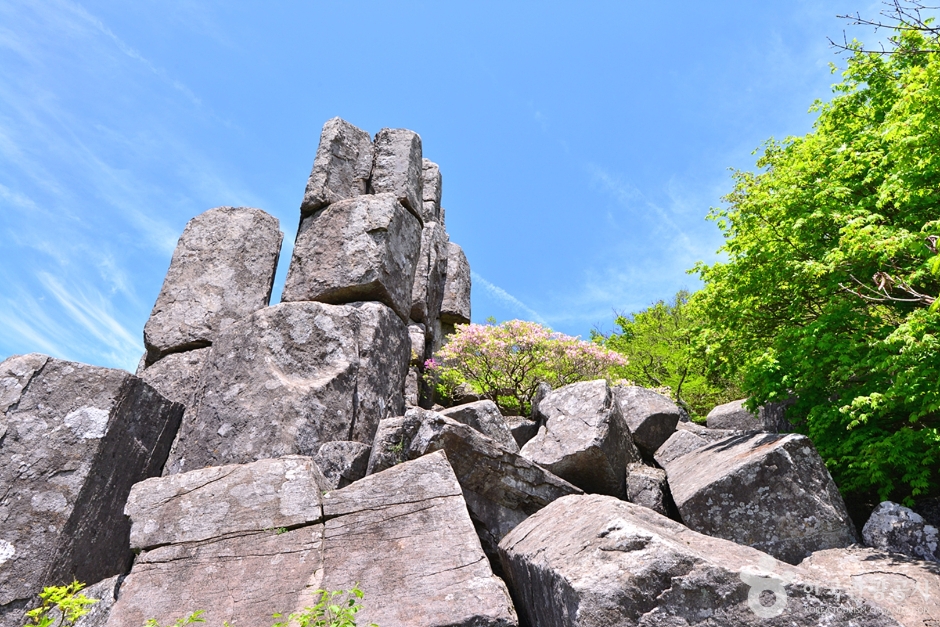
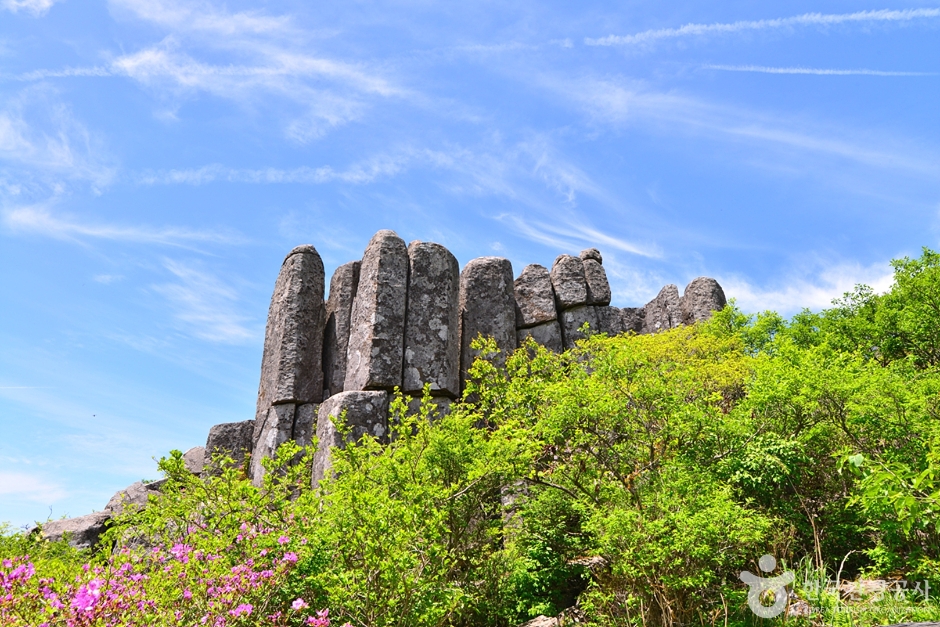
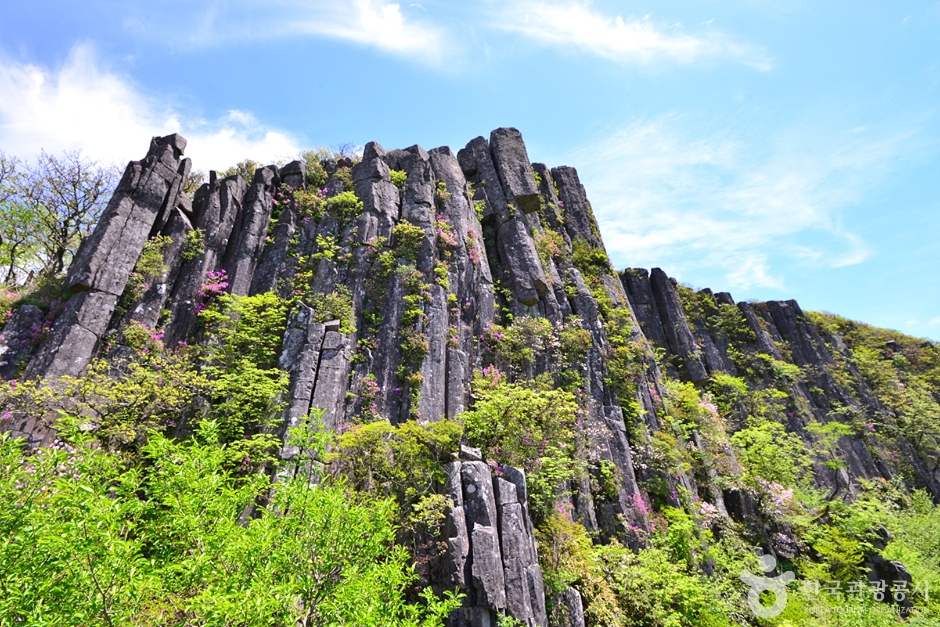
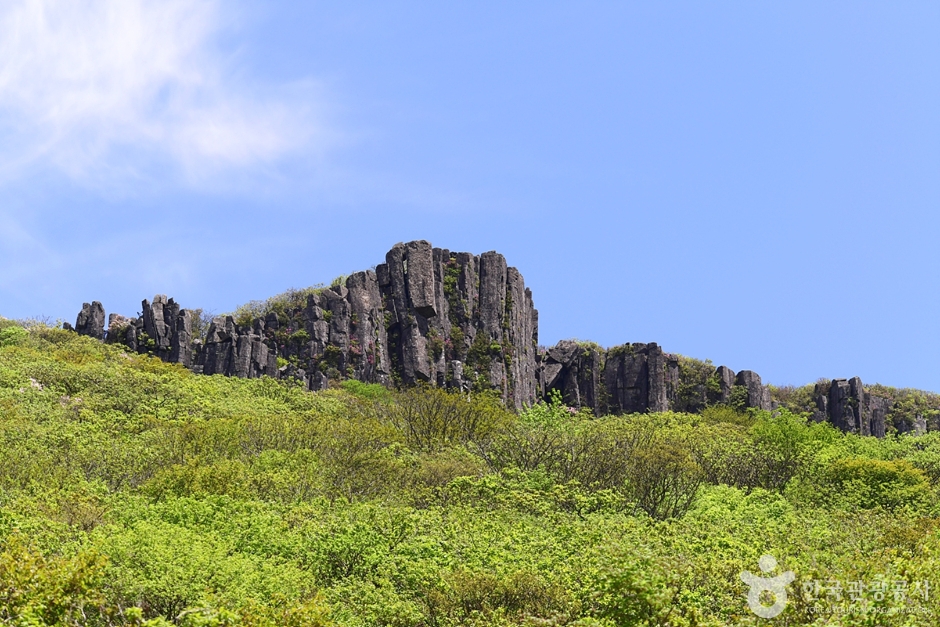
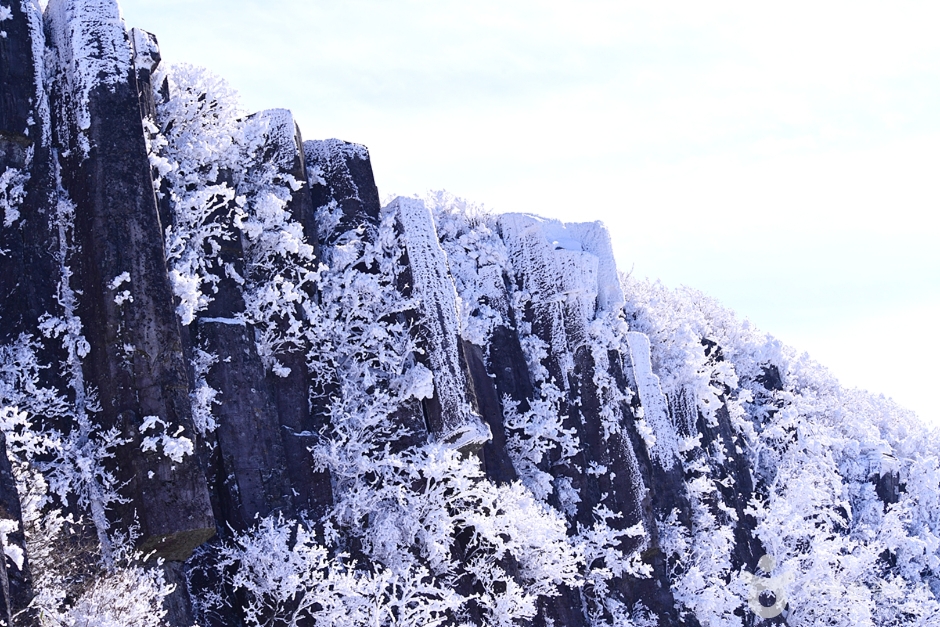
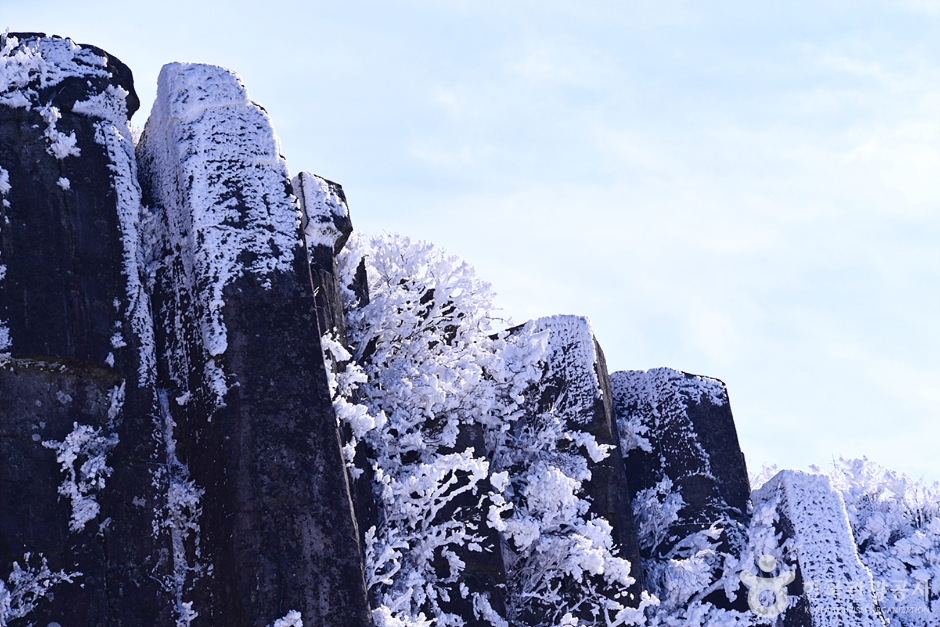
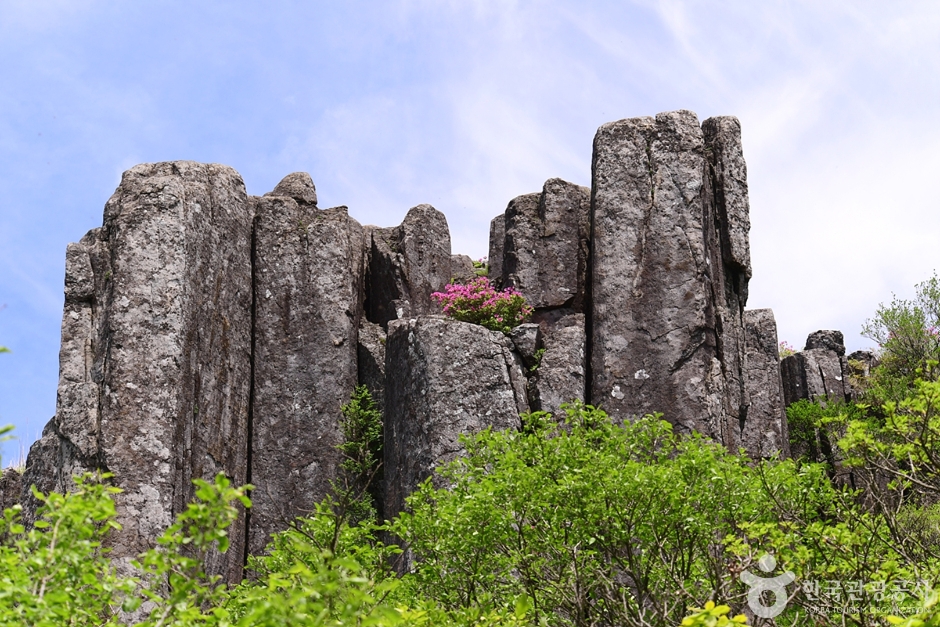
Mudeungsan Columnar Joints is a series of hexagon-shaped pillar rocks located on Mudeungsan Mountain in the Yongyeon-dong area. It is designated as a natural monument of Korea. Columnar joints are joints formed when lava cools and contracts and have a cross-sectional shape of a pentagonal or hexagonal column. Mudeungsan Mountain's columnar joints were formed as a result of volcanic activity about 70 million years ago (in the Cretaceous period of the Mesozoic Era) and are located in Ipseokdae, Seoseokdae, and Gyubong. The size of a single stone pillar in the joints in Ipseokdae and Seoseokdae is attracting attention as it is the largest ever reported in South Korea. Ipseokdae and Gyubong are heavily weathered and are shaped like pillars, but Seoseokdae is less weathered and is shaped like a folding screen. The tatters on the hillside around the summit are the result of the collapse of these stone pillars. Standing rocks and tatters are rare natural relics that allow one to observe the formation and weathering process of rocks and monitor changes in the Earth's climatic environment, so they have great academic and scenic value and form an outstanding geological landscape. These topographical resources have another important meaning to the residents living in the Mudeungsan area, in addition to the perception that they are simply columnar joints and tattered areas. The columnar joints and tattered areas of Mudeungsan Mountain were used as objects of faith and sometimes as places for religious practice.
Details
- Admission fee
- Free
Visitor reviews 0
Videos of this place
Dong District travel resources
All guides →- Guides