 (new window)
 (new window)
 (new window)
 (new window)
 (new window)
[Daegu Olle Palgongsan Course 4] Pyeonggwang-dong Wanggeon-gil
Korean name[대구올레 팔공산 4코스] 평광동 왕건길
Machine-translated from Korean. Show original
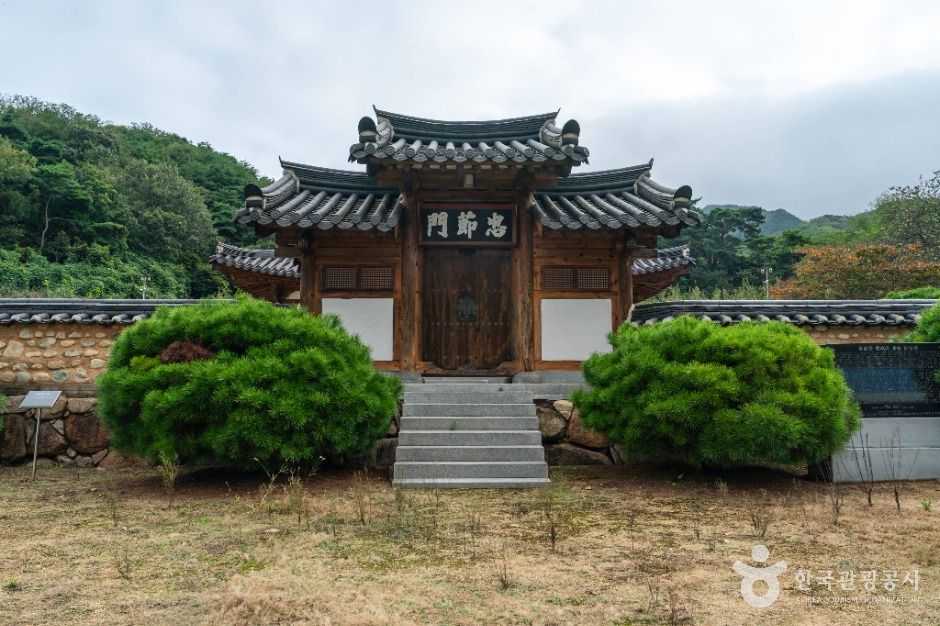
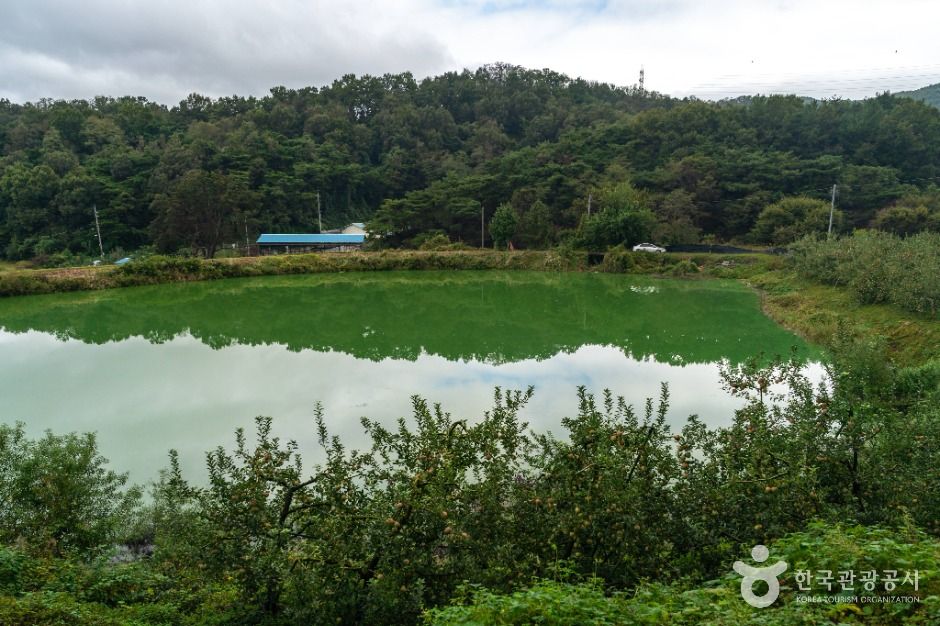
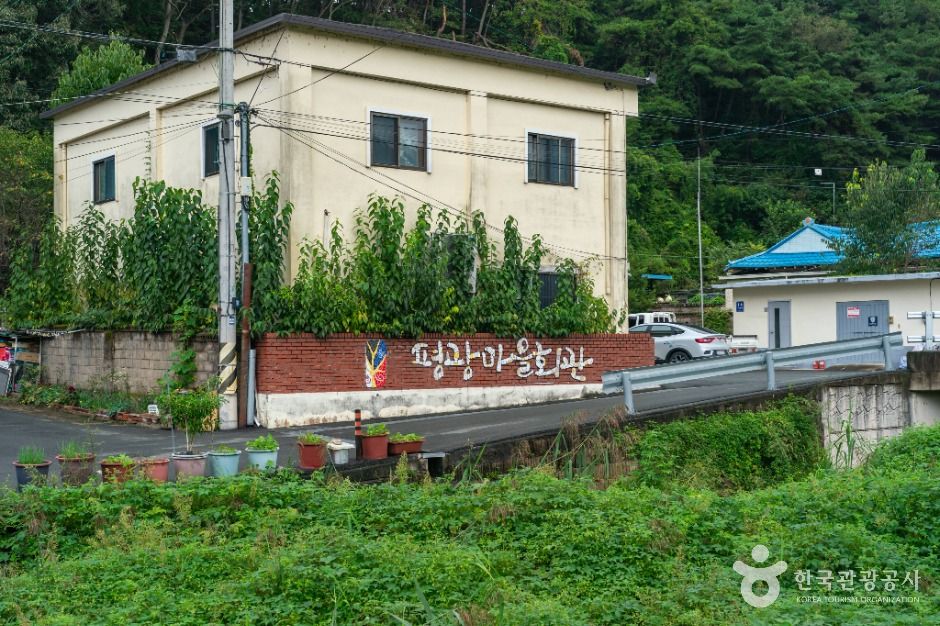
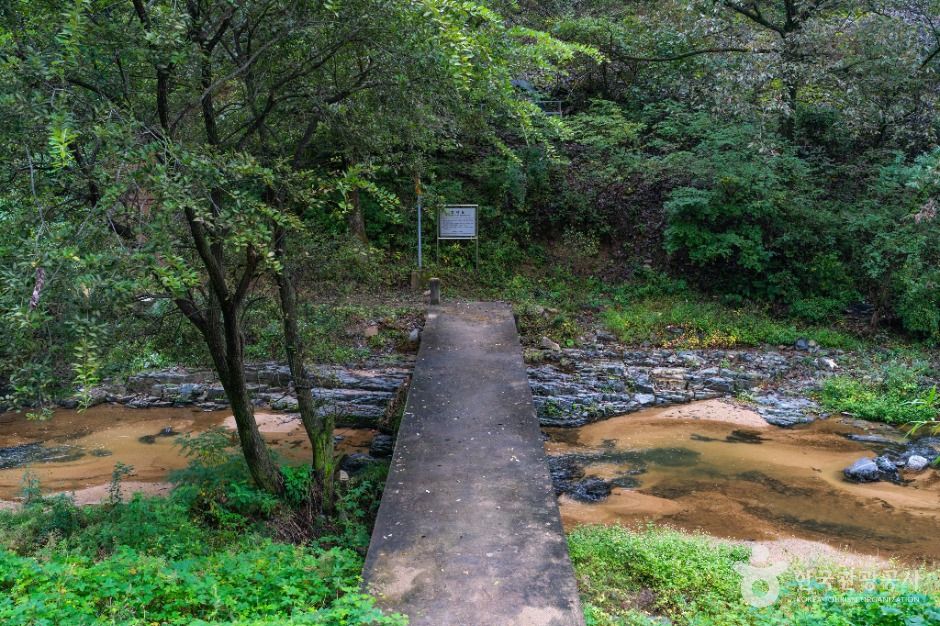
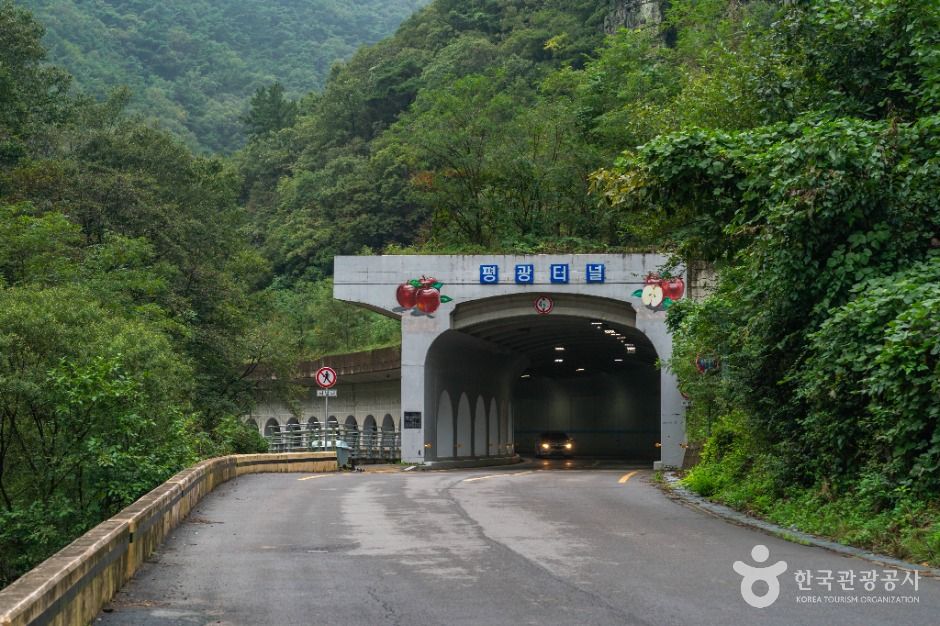
Daegu Olle Palgongsan Course is a forest path created to connect the starting and ending points along the circumference of Palgongsan Mountain. It is a path created for the purpose of experiencing the history and culture of the Palgongsan Mountain area, enjoying the natural scenery, and engaging in health promotion activities. In addition, it was created to preserve the ecological and cultural values of the natural park in the Palgongsan area. Palgongsan Olle Trail has been developed into a total of 8 courses, and course 4 of them, Pyeonggwang-dong Wanggeon-gil, leads to [Hyoja River Cruise Tree - Pyeonggwang Elementary School - Pyeonggwangji - Moyeongjae - Jaebau Farm - Cheombaekdang - Pyeonggwang Terminal Stop]. Pyeonggwang-dong, the home of the Danyangwoo clan, is also a place where the legacy of Daegu apples continues. The road starting from the entrance to Pyeonggwang-dong and ending at Moyeongjae, a pavilion commemorating General Shin Sunggyeom, is presumed to be Wang Geon's escape route and is nicknamed Wang Geonimdo. There are many trees in Pyeonggwang-dong with stories. At the entrance to Pyeonggwang-dong, there is a Hyoja Gangsunhang tree named after Kang Sunhang, a filial son. When you enter Cheombaekdang, you will notice the majestic Liberation Pine Tree planted by the common people to commemorate liberation in 1945. Behind the Gwangbok Pine Tree is Cheombaekdang, the living quarters of the Danyangwoo clan. This building was built in 1896 to commemorate Woo Hyo-jung's filial piety and Woo Myeong-sik's loyalty. At Jaebau Farm above Cheombaekdang, you can see Korea's oldest ruby tree, which is about 90 years old. Usually, apple trees lose their productivity significantly after 20 to 30 years and are replaced by new apple trees, but this tree is still said to produce as much as other apple trees. Apple harvest season runs from late October to mid-November. This tree is harvested last for the sake of the Olle hunters. According to the guidance of the Daegu Green Sojourners' Association, which operates the Daegu Olle Palgongsan Trail, it is a course with little shade overall, and it is recommended to avoid mid-summer and visit in late April when apple blossoms bloom or late October when apples are ripe. The entire section is a farm road and there are no dirt roads. Bicycles, strollers, etc. are allowed to pass. Just need to be careful when moving.
Details
- Course Guide
- One-way course 7.4 km (about 2 hours 30 minutes)
Visitor reviews 0
Videos of this place
Suseong-gu travel resources
All guides →- Map
- MapDaegu Metropolitan City Tourist Guide Map
- GuidesDaegu Tourist Guidebook (e-book) Information